

Chronic inflammation is defined as a persistent, low-grade immune response that damages healthy tissue over time and drives conditions including heart disease, type 2 diabetes, and autoimmune disorders. The good news is that natural inflammation management steps, the evidence-based lifestyle changes that address diet, movement, sleep, stress, and oral hygiene, give you real control over this process without relying solely on medication. Dr. Frank Hu of Harvard Health states that anti-inflammatory food choices made at the grocery store are more potent than many medications for controlling chronic inflammation. That claim sets the tone for everything that follows. The most effective approach combines multiple lifestyle domains rather than chasing a single fix.
What are the best natural inflammation management steps?
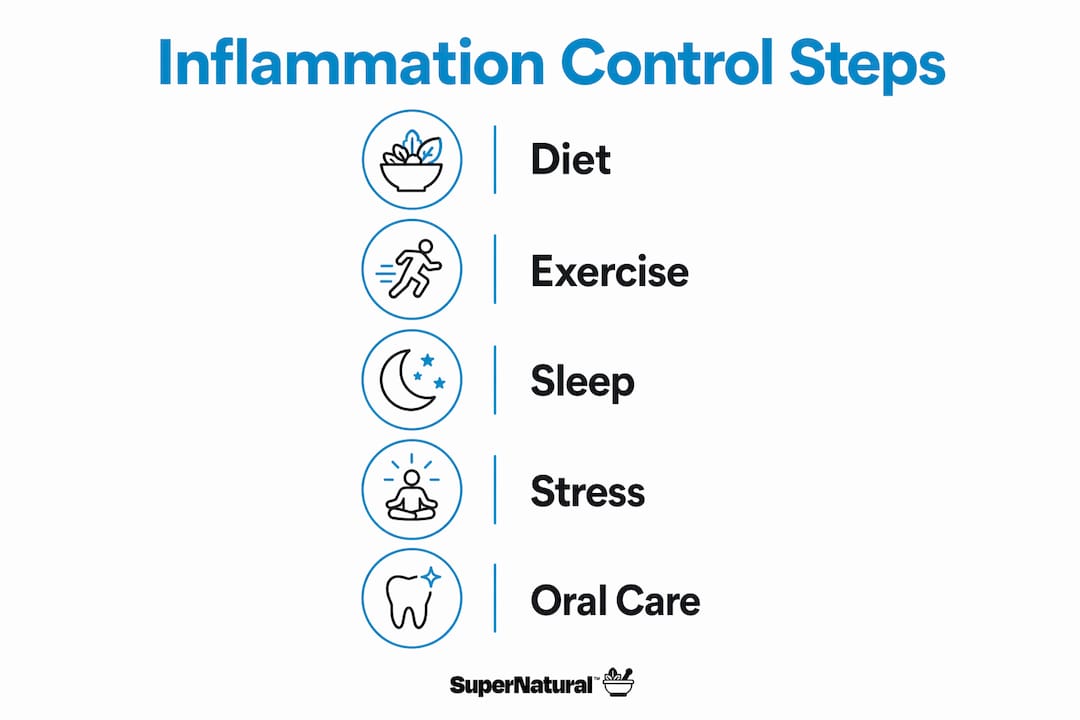
The strongest results come from combining diet, exercise, sleep, and stress management rather than relying on any single remedy. Think of it like building a house: each pillar supports the others, and removing one weakens the whole structure. The sections below break each pillar down into specific, practical actions you can start this week.

Which foods and dietary patterns effectively reduce inflammation naturally?
Food is your most direct lever for controlling inflammation. Plant-based antioxidants and polyphenols found in blueberries, leafy greens, and other whole foods neutralize the free radicals that trigger inflammatory cascades. That means your grocery cart is genuinely a therapeutic tool.
Anti-inflammatory foods to prioritize
Load your plate with these natural anti-inflammatory foods:
- Leafy greens (spinach, kale, Swiss chard): rich in vitamin K and magnesium, both of which suppress inflammatory signaling
- Berries (blueberries, strawberries, cherries): high in anthocyanins that reduce oxidative stress
- Fatty fish (salmon, sardines, mackerel): the best dietary source of omega-3 fatty acids, which directly counter pro-inflammatory omega-6 activity
- Extra virgin olive oil: contains oleocanthal, a compound with effects similar to ibuprofen at the cellular level
- Nuts (walnuts, almonds): deliver vitamin E and healthy fats that calm immune overactivation
- Turmeric: the curcuminoids in turmeric are among the most studied natural anti-inflammatory compounds available
Foods that drive inflammation
Refined carbs, sugary drinks, and processed meats consistently accelerate inflammatory processes. That covers white bread, soda, packaged snack foods, and deli meats. Limiting alcohol to one drink per day for women and two for men also reduces inflammatory load on the liver.
| Eat More | Eat Less |
|---|---|
| Fatty fish (salmon, sardines) | Processed meats (hot dogs, deli cuts) |
| Leafy greens and berries | Refined carbohydrates (white bread, pastries) |
| Extra virgin olive oil | Sugary beverages (soda, sweetened juices) |
| Walnuts and almonds | Trans fats (partially hydrogenated oils) |
| Turmeric and ginger | Excess alcohol |
The Mediterranean and DASH diets both organize these principles into sustainable eating patterns. Both emphasize fiber, which feeds beneficial gut bacteria that produce short-chain fatty acids, compounds that actively reduce intestinal and systemic inflammation. Staying well hydrated, targeting at least eight cups of water daily, supports kidney function and helps flush inflammatory byproducts.
Pro Tip: Swap one processed snack per day with a handful of walnuts and a cup of blueberries. That single swap delivers omega-3s, fiber, and anthocyanins in one shot.
How does physical activity support natural inflammation management?
Exercise is one of the most reliable inflammation relief techniques available, and the dose is well established. Adults need at least 150 minutes of moderate or 75 minutes of vigorous exercise weekly to manage inflammation effectively. That works out to about 30 minutes of brisk walking five days a week, which is genuinely achievable for most people.
Here is how to build a sustainable routine:
- Start with walking. A 20-minute brisk walk after dinner lowers post-meal blood sugar spikes, which are a direct driver of inflammatory cytokines.
- Add resistance training twice a week. Lifting weights or using resistance bands triggers myokine release. Myokines are proteins secreted by muscle tissue that actively suppress systemic inflammation.
- Include yoga or tai chi once a week. These practices combine movement with breathwork, reducing cortisol levels that would otherwise keep inflammatory pathways switched on.
- Progress gradually. If you are currently sedentary, start with 10-minute walks and add five minutes every week. Overtraining without adequate recovery can temporarily spike inflammation, so pacing matters.
- Move throughout the day. Breaking up prolonged sitting with a two-minute walk every hour reduces inflammatory markers more than a single gym session followed by eight hours at a desk.
Pro Tip: Track your weekly minutes with a free app like Apple Health or Google Fit. Seeing your numbers builds consistency far better than relying on motivation alone.
What role do sleep and stress management play in controlling inflammation naturally?
Sleep deprivation is one of the fastest ways to drive up inflammatory markers. Sleeping less than 6–7 hours more than doubles the odds of elevated C-reactive protein (CRP), a key blood marker of systemic inflammation. CRP is the same marker your doctor checks when screening for cardiovascular risk.
Practical steps to protect your sleep:
- Keep your bedroom cool (around 65–68°F), dark, and quiet
- Set a consistent bedtime and wake time, including weekends
- Avoid screens for 60 minutes before bed, since blue light suppresses melatonin
- Limit caffeine after 2 p.m.
- Consider magnesium glycinate before bed, a form well tolerated by most people that supports deeper sleep stages
Stress management deserves equal attention. Chronic psychological stress activates the HPA axis, which floods the body with cortisol. Short-term cortisol is anti-inflammatory, but sustained elevation does the opposite: it desensitizes immune cells to cortisol’s signal, leaving inflammatory pathways unchecked.
“Building regular positive engagement moments with nature physiologically supports inflammation reduction.” — Developmental psychologist Dakota Cintron, as cited by National Geographic
Two hours of nature exposure weekly, whether a park walk, a hike, or time near water, measurably reduces nervous system stress responses. Combine that with five minutes of daily diaphragmatic breathing, a technique where you inhale for four counts and exhale for six, and you have a low-cost, high-return stress protocol. Adaptogenic herbs like ashwagandha and rhodiola are also worth exploring as supportive options, though they work best on top of solid sleep and movement habits, not instead of them. You can find additional mushrooms for stress relief that complement these lifestyle practices.
How can oral hygiene and environmental factors influence natural inflammation management?
Most people never connect their gum health to their inflammatory load. Gingivitis and periodontitis create a direct pathway for bacteria and inflammatory cytokines to enter the bloodstream, raising systemic inflammation in the same way a low-grade infection would. Treating your mouth as a separate system from the rest of your body is a costly mistake.
Practical oral hygiene steps for inflammation control:
- Brush twice daily with an electric toothbrush. Electric models remove significantly more plaque than manual brushing, reducing the bacterial load that triggers gingival inflammation.
- Floss every day. Daily flossing disrupts the biofilm between teeth where periodontal bacteria thrive.
- Use an antimicrobial mouthwash. Chlorhexidine-based rinses, used short-term, reduce gingival inflammation measurably.
- Schedule dental cleanings every six months. Professional scaling removes calcified tartar that home brushing cannot reach.
Environmental exposures add another layer. Air pollution, chemical solvents, and pesticide residues all activate the same NF-kB inflammatory pathway that poor diet and stress do. Practical responses include using a HEPA air purifier indoors, choosing organic produce for the Environmental Working Group’s Dirty Dozen list, and switching to fragrance-free cleaning products to reduce chemical load.
Pro Tip: Set a phone reminder to floss every night. Research on habit formation shows that pairing a new behavior with an existing one, like flossing right after brushing, dramatically improves long-term adherence.
Key takeaways
Sustainable inflammation control requires consistent action across diet, movement, sleep, stress, and oral health, not a single supplement or shortcut.
| Point | Details |
|---|---|
| Diet is your strongest tool | Prioritize fatty fish, berries, leafy greens, and olive oil; cut refined carbs and processed meats. |
| Exercise dose matters | Aim for 150 minutes of moderate activity weekly to measurably reduce inflammatory markers. |
| Sleep protects your CRP levels | Less than 6–7 hours of sleep more than doubles the odds of elevated C-reactive protein. |
| Stress and nature are linked | Two hours of nature exposure weekly reduces nervous system stress responses that drive inflammation. |
| Oral health affects the whole body | Daily flossing and electric toothbrush use reduce the bacterial load that feeds systemic inflammation. |
Our take on building a sustainable inflammation protocol
We have spent years studying what actually moves the needle for people dealing with chronic inflammation, and the pattern is consistent: those who see lasting results start with the fundamentals before reaching for supplements. No curcumin capsule, however well-formulated, can compensate for four hours of sleep and a diet built on processed food. That is not a knock on supplements. It is a sequencing argument.
The approach we recommend follows a phased structure. In the first four to six weeks, focus on a metabolic and dietary reset: clean up the diet, establish a movement habit, and fix sleep. In weeks five through ten, shift attention to gut repair, adding fermented foods, prebiotic fiber, and reducing gut-disrupting medications where your doctor agrees. After that foundation is solid, targeted nutraceuticals like BioSoluble® Curcumin™ become genuinely useful additions rather than expensive placebos.
We also advocate for objective tracking. Measuring biomarkers like hs-CRP and omega-3 index before and after your protocol tells you what is actually working. Guessing based on how you feel is unreliable. Two things that most articles skip: oral health and social connection. Both are documented drivers of inflammatory load, and both are free to address. Consistency over six months beats intensity over two weeks every single time.
— SuperNatural
Support your inflammation protocol with SuperNatural Supplements
Lifestyle changes form the foundation, and the right supplements can sharpen your results once that foundation is in place.
SuperNatural Supplements developed BioSoluble® Curcumin™ using a patented process that dramatically increases curcumin’s bioavailability compared to standard curcumin. Think of standard curcumin like sniffing coffee beans: you get the aroma but not the caffeine. BioSoluble® Curcumin™ delivers the active curcuminoids where your body can actually use them. BodyControl is formulated to support detoxification and a healthy inflammatory response, making it a natural complement to the diet and lifestyle steps covered here. Check with your doctor before starting any new supplement, especially if you are managing a chronic condition or taking prescription medications. For a broader look at what the research says, explore anti-inflammatory supplements that have scientific backing.
FAQ
What are the most effective natural anti-inflammatory foods?
Fatty fish, blueberries, leafy greens, extra virgin olive oil, and walnuts are the most evidence-backed choices. Harvard Health research confirms that plant-based polyphenols and omega-3 fatty acids directly neutralize inflammatory processes at the cellular level.
How much exercise reduces inflammation?
Adults need at least 150 minutes of moderate exercise or 75 minutes of vigorous exercise per week, according to MD Anderson Cancer Center guidelines. Aerobic activity, resistance training, and yoga all contribute through different but complementary mechanisms.
Does poor sleep really raise inflammation?
Yes. Sleeping less than 6–7 hours per night more than doubles the odds of elevated C-reactive protein, a primary blood marker of systemic inflammation. Consistent, quality sleep is one of the most direct ways to lower your inflammatory baseline.
Can oral hygiene affect systemic inflammation?
Gum disease creates a pathway for bacteria and inflammatory cytokines to enter the bloodstream, raising whole-body inflammation. Daily flossing and electric toothbrush use are recommended as standard parts of any inflammation management protocol.
When should I add supplements to my inflammation plan?
Supplements work best after you have established consistent sleep, diet, and movement habits. A phased approach, starting with lifestyle changes and adding targeted nutraceuticals like curcumin after four to six weeks, produces more sustainable results than starting with supplements alone.
This article is provided for educational and informational purposes only and does not constitute providing medical advice or professional services. Always consult with a qualified and licensed physician or other medical care provider. Statements have not been evaluated by the Food & Drug Administration. This product is not intended to diagnose, treat, cure, or prevent any disease.