

Diet directly shapes how well the brain produces the neurotransmitters that control focus, impulse control, and sustained attention. This is the core principle behind nutritional support for cognitive function, the clinical term for using food and nutrients to maintain brain performance. Research links ultra-processed food intake to higher odds of attention challenges in children, while NHS guidelines confirm that balanced meals with adequate protein, healthy fats, and five daily portions of fruits and vegetables support stable energy and concentration. The nutritional tips for attention support covered here are grounded in that evidence and built for real life.
1. Build every meal around protein, fiber, and healthy fat
The most effective structural strategy for attention support is building meals around protein, fiber, and healthy fats to prevent blood sugar swings that worsen focus and impulsivity. Think of blood sugar like a car engine running on the right fuel mix. Too much sugar and too little protein, and the engine sputters.
Protein supplies the amino acids your brain uses to make dopamine and norepinephrine, the neurotransmitters most directly tied to attention. Fiber slows glucose absorption so energy stays steady between meals. Healthy fats, particularly monounsaturated and polyunsaturated types, support the cell membranes that neurons use to communicate.
Practical examples for each macronutrient at meals:
- Protein: eggs, Greek yogurt, chicken, lentils, edamame, cottage cheese
- Fiber: oats, black beans, broccoli, pears, chia seeds, whole grain bread
- Healthy fats: avocado, olive oil, walnuts, salmon, flaxseed, almonds
Pro Tip: Pair a protein with a fiber source at every snack, not just at meals. An apple alone spikes blood sugar. An apple with almond butter keeps energy flat and focus steady for two to three hours longer.
2. Prioritize omega-3 fatty acids for brain function
Omega-3 fatty acids are the single most researched nutrient category for cognitive support. Children with ADHD show lower intake of polyunsaturated fats compared to peers without attention challenges, a finding that points directly to dietary gaps worth closing.

Omega-3s, specifically EPA and DHA, form the structural backbone of brain cell membranes. They also reduce neuroinflammation, which interferes with clear thinking. Fatty fish like salmon, mackerel, and sardines deliver the highest concentrations of EPA and DHA. Plant sources like walnuts and flaxseed provide ALA, a precursor the body converts to EPA and DHA at a lower rate.
Aim for two to three servings of fatty fish per week. If fish is not a regular part of your diet, a high-quality fish oil or algae-based omega-3 supplement fills the gap effectively.
3. Load up on antioxidant-rich fruits and vegetables
Antioxidants protect brain cells from oxidative stress, a process that degrades cognitive performance over time. The MIND diet, which is rich in polyphenols and antioxidants, is one of the most studied dietary patterns for long-term brain health and focus.
Vitamin C deserves specific attention here. Children with ADHD have been found to have significantly lower vitamin C intake, and this vitamin plays a direct role in dopamine synthesis. Bell peppers, strawberries, kiwi, and citrus fruits are among the highest vitamin C sources available.
Beyond vitamin C, dark leafy greens supply folate and magnesium. Blueberries, cherries, and pomegranate provide flavonoids that improve blood flow to the prefrontal cortex, the brain region most responsible for attention and decision-making. The NHS recommends five portions of fruits and vegetables daily as a baseline for maintaining energy and concentration.
4. Include key minerals: iron, zinc, and magnesium
Three minerals stand out in the research on attention and brain function: iron, zinc, and magnesium. Each plays a distinct role in neurotransmitter activity and cognitive regulation.
Iron is required for dopamine production and oxygen transport to the brain. Low iron, even without full anemia, correlates with reduced attention span and slower cognitive processing. Red meat, spinach, lentils, and fortified cereals are reliable sources.
Zinc supports dopamine metabolism and helps regulate the glutamate system, which affects learning and memory. Pumpkin seeds, beef, chickpeas, and cashews deliver meaningful zinc per serving. Magnesium calms the nervous system and supports GABA activity, which reduces hyperactivity and improves sleep quality. Dark chocolate, almonds, black beans, and avocado are practical daily sources.
5. Establish structured meal and snack timing
Meal timing is as critical as food quality for preventing the blood sugar dips that trigger impulsivity and emotional dysregulation. Skipping meals or going more than four hours without eating creates the conditions for focus to collapse.
A structured eating routine looks like this:
- Breakfast within 60 minutes of waking: Protein plus complex carbohydrate, such as eggs on whole grain toast or Greek yogurt with oats.
- Mid-morning snack at the three-hour mark: A small protein and fiber combination, such as hummus with vegetables or a handful of mixed nuts.
- Lunch with all three macronutrients: A balanced plate with a lean protein, whole grain, and generous vegetables.
- Afternoon snack before energy dips: Cheese with whole grain crackers or a boiled egg with fruit.
- Dinner at a consistent time: Fatty fish or legumes with roasted vegetables and a whole grain side.
Pro Tip: Set phone reminders for snack times for the first two weeks. Attention challenges make it easy to forget to eat, and hunger is often the hidden cause of afternoon focus crashes.
6. Limit ultra-processed foods and added sugar
Ultra-processed food consumption is directly associated with higher odds of attention challenges in children. Children with ADHD consumed a median of 342.9 grams of ultra-processed food per day in one study. That figure represents a meaningful share of total daily intake and a clear target for dietary improvement.
Ultra-processed foods, including packaged snacks, fast food, sweetened cereals, and sugary drinks, spike blood glucose rapidly and then cause sharp drops. Those drops trigger irritability, brain fog, and difficulty sustaining attention. Replacing these foods does not require perfection. Swapping one ultra-processed snack per day for a whole food alternative creates measurable change over weeks.
Added sugar follows the same pattern. Fruit juice, flavored yogurt, and energy drinks carry enough sugar to disrupt focus for hours. Reading nutrition labels and choosing products with less than five grams of added sugar per serving is a practical starting point.
7. Stay consistently hydrated
Mild dehydration impairs concentration and memory before thirst even registers. The NHS recommends 6–8 glasses of water daily as a baseline for cognitive function. For people with attention challenges, hydration is often overlooked because the sensation of thirst can be less noticeable than in neurotypical individuals.
Water is the best choice. Herbal teas and water-rich foods like cucumber, watermelon, and oranges contribute to daily fluid intake. Caffeinated drinks count partially but carry trade-offs. Limiting caffeine reduces the risk of energy crashes and sleep disruption, both of which worsen attention the following day.
Keep a water bottle visible at your desk or workspace. Visibility is one of the simplest behavioral cues that increases drinking frequency without requiring willpower.
8. Address sensory-based picky eating with bridge foods
Sensory-based picky eating is common in neurodivergent individuals and creates real barriers to meeting nutritional needs. Texture aversions, in particular, can eliminate entire food categories that supply critical nutrients. Bridge foods are foods that share sensory properties with accepted foods but carry higher nutrient density.
Practical strategies for expanding nutrient intake without triggering aversions:
- Blend vegetables into sauces: Spinach in a tomato sauce or cauliflower in a cheese sauce adds micronutrients without changing texture significantly.
- Use smooth nut butters: These deliver protein, healthy fat, and magnesium in a texture many sensory-sensitive people accept readily.
- Choose fruit in preferred forms: Frozen blueberries blended into a smoothie, dried mango, or applesauce can replace fresh fruit when texture is the barrier.
- Introduce new foods gradually: Place a new food on the plate without pressure to eat it. Repeated exposure over days or weeks reduces novelty and often reduces aversion.
- Fortified foods as a bridge: Fortified oat milk, fortified cereals, and fortified plant-based yogurts deliver iron, vitamin D, and B vitamins in familiar textures.
The goal is nutrient adequacy, not dietary perfection. Small wins in nutrient density add up significantly over time.
9. Follow an anti-inflammatory dietary pattern long term
No single food fixes attention challenges. Long-term dietary patterns, not individual superfoods, drive meaningful cognitive improvement. The Mediterranean-style diet and the MIND diet both emphasize anti-inflammatory foods and have the strongest evidence base for brain health.
These patterns share a common structure: abundant vegetables and fruits, whole grains, legumes, fatty fish, olive oil, and minimal red meat or processed food. They are not restrictive in a way that makes adherence difficult. They are built around addition, not elimination. Adding a handful of walnuts, a serving of salmon, and an extra portion of vegetables each day moves the needle without requiring a complete dietary overhaul.
For a step-by-step approach to brain health, building habits one at a time is more sustainable than changing everything at once. Consistency over months produces the neurological benefits that short-term diets cannot.
Key takeaways
Consistent, balanced eating built around protein, healthy fats, and antioxidant-rich foods is the most evidence-based approach to nutritional support for attention and cognitive function.
| Point | Details |
|---|---|
| Meal structure matters most | Build every meal around protein, fiber, and healthy fat to prevent blood sugar crashes that impair focus. |
| Omega-3s and antioxidants are non-negotiable | Fatty fish, walnuts, berries, and leafy greens supply the nutrients most directly linked to attention support. |
| Timing is as important as food quality | Eating every three to four hours on a consistent schedule prevents the energy dips that trigger impulsivity. |
| Ultra-processed foods raise ADHD risk | Reducing packaged snacks and sugary drinks is one of the highest-impact dietary changes for attention support. |
| Sensory strategies expand nutrient access | Bridge foods and blending techniques help sensory-sensitive individuals meet nutritional needs without stress. |
What we have learned about sustainable nutrition for focus
The most common mistake we see is treating nutrition for attention like a short-term experiment. Someone cuts sugar for two weeks, notices a small improvement, then returns to old habits when life gets busy. The benefit disappears within days. That cycle is discouraging and avoidable.
What actually works is building a dietary architecture that runs on autopilot. Stocking the kitchen with the right proteins, keeping cut vegetables visible, and scheduling snack times removes the decision-making burden that attention challenges make especially hard. The diet does not need to be perfect. It needs to be consistent.
We also want to be direct about one thing: no single nutrient or supplement replaces a well-structured diet. Omega-3s matter. Magnesium matters. But they work best when the rest of the plate is also doing its job. Think of targeted nutritional support as the finishing layer, not the foundation. The foundation is the food.
If you are supporting a child with attention challenges, the ADHD nutrition guide for kids on our site walks through these principles with age-specific examples that make implementation much easier.
— SuperNatural
SuperNatural Supplements and cognitive nutritional support
Diet builds the foundation. Targeted supplementation can reinforce it.
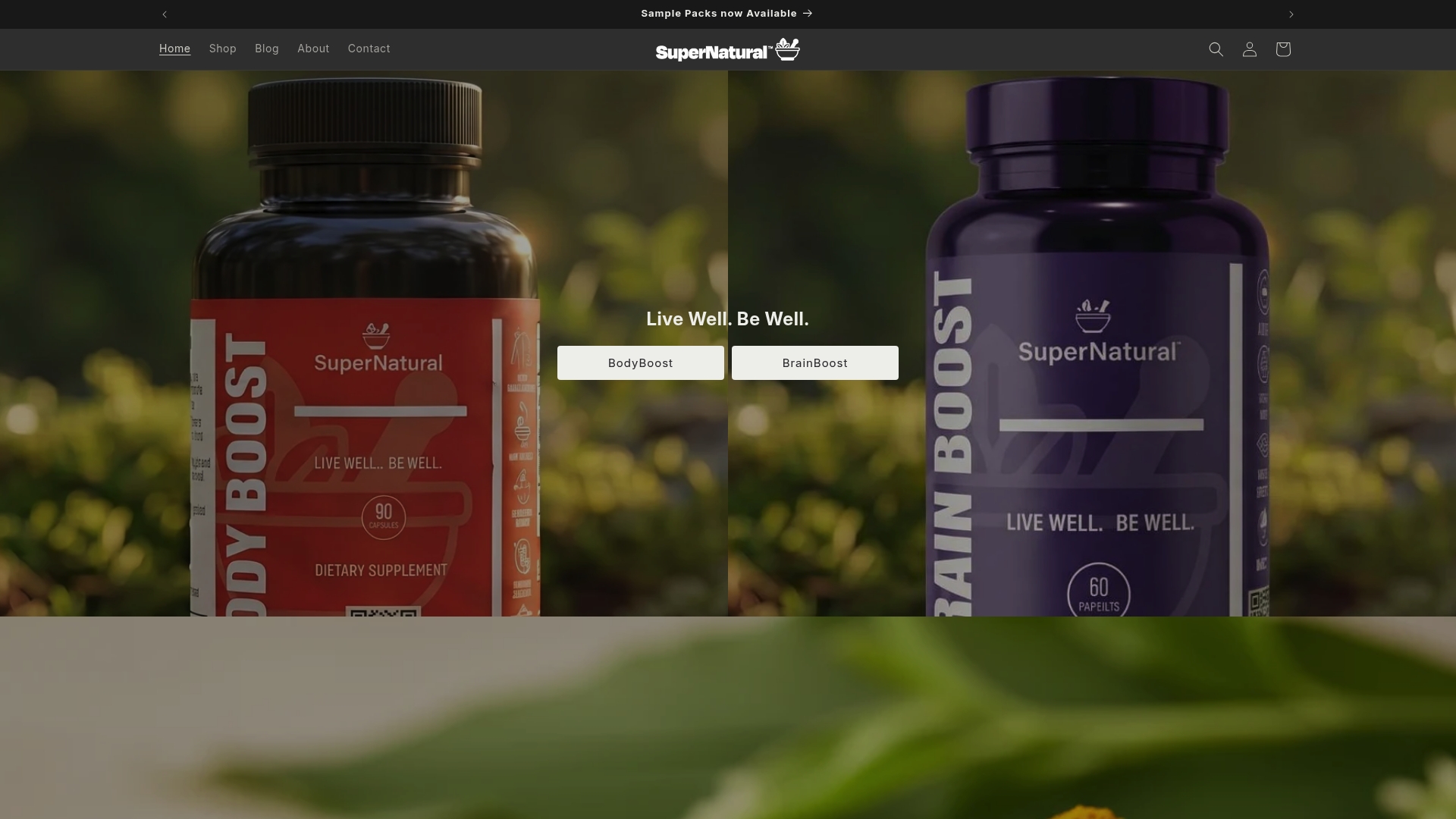
SuperNatural Supplements formulates products specifically to complement the nutritional strategies covered here. BrainBoost is designed for advanced cognitive support, targeting the mental clarity and focus that a well-structured diet makes possible. SuperNatural’s patented BioSoluble Curcumin process delivers curcumin at significantly higher bioavailability than standard curcumin supplements, meaning your body actually absorbs and uses what it takes. For those looking at the full picture of brain health, BioSoluble® Curcumin™ pairs naturally with an anti-inflammatory dietary pattern. Check with your doctor before adding any supplement to your routine.
FAQ
What foods improve focus and attention most reliably?
Fatty fish, eggs, walnuts, blueberries, and leafy greens are the most research-supported foods for focus. They supply omega-3 fatty acids, antioxidants, and key minerals that directly support neurotransmitter function.
How does diet affect ADHD symptoms?
Diet affects ADHD symptoms by influencing blood sugar stability, dopamine production, and neuroinflammation. Ultra-processed food intake is associated with higher odds of attention challenges, while balanced meals with protein and healthy fats help reduce symptom severity.
What are the best attention-boosting snacks?
The best attention-boosting snacks combine protein and fiber: examples include almond butter on whole grain crackers, Greek yogurt with berries, hard-boiled eggs, or hummus with vegetables. These combinations prevent blood sugar spikes and sustain focus between meals.
How much water should someone drink for better concentration?
The NHS recommends 6–8 glasses of water daily to prevent the mild dehydration that impairs concentration and memory. Herbal teas and water-rich foods like cucumber and watermelon also count toward daily fluid intake.
Are supplements necessary alongside a good diet for attention support?
A well-structured diet is the primary tool for nutritional support for attention. Supplements like omega-3s or targeted cognitive formulas can fill specific gaps, but they work best as additions to a balanced dietary pattern, not replacements for one.
This article is provided for educational and informational purposes only and does not constitute providing medical advice or professional services. Always consult with a qualified and licensed physician or other medical care provider. Statements have not been evaluated by the Food & Drug Administration. This product is not intended to diagnose, treat, cure, or prevent any disease.