

Cognitive enhancement supplements, known in research circles as nootropics, are defined as compounds that support memory, focus, attention, or executive function through direct action on brain chemistry or physiology. The types of cognitive enhancement supplements available today range from well-studied natural botanicals like Ashwagandha and Bacopa monnieri to synthetic compounds like racetam-class drugs, each with distinct evidence profiles. Most cognitive enhancers lack strong clinical evidence for improving cognition in healthy adults, which makes knowing the difference between categories genuinely useful. Choosing the right cognitive booster starts with understanding what the science actually supports.
What are the main types of cognitive enhancement supplements?
Cognitive enhancement supplements fall into three broad categories. Understanding each one helps you match your goals to the right type of product.
- Natural dietary supplements: These include plant-based botanicals (Ashwagandha, Bacopa monnieri, Lion’s Mane mushroom, Rhodiola rosea), omega-3 fatty acids, vitamins (B vitamins, vitamin E), and phospholipids like phosphatidylserine and citicoline. They are widely available over the counter and carry the most favorable safety profiles.
- Synthetic compounds and prescription drugs: This category covers racetam-class compounds (piracetam, aniracetam), modafinil, and similar agents. Racetam compounds have limited and inconsistent evidence for healthy young adults and exist in legal gray areas in the United States. Prescription drugs in this space require physician oversight.
- Multi-ingredient nootropic formulas: These are combination products that blend botanicals, amino acids, vitamins, and sometimes caffeine into a single formula. Research published in the European Journal of Nutrition shows that multi-ingredient nootropics can match caffeine’s attention benefits without raising blood pressure or causing mood shifts.
This article focuses on natural and over-the-counter options because they are accessible, legal, and carry the most practical relevance for most readers. Prescription drugs and research chemicals require medical supervision and fall outside the scope of general supplement guidance.
1. Ashwagandha for memory and attention

Ashwagandha (Withania somnifera) is one of the most evidence-backed natural cognitive enhancers available without a prescription. A meta-analysis of 20 studies involving 1,249 participants found that Ashwagandha significantly improves memory (SMD=0.52), attention (SMD=0.29), and executive function (SMD=0.42), all at P < 0.001. Those effect sizes are meaningful. They place Ashwagandha among the strongest natural options for broad cognitive support.
Standard doses range from 300 mg to 600 mg of root extract daily. Side effects are generally mild and include occasional digestive discomfort. Ashwagandha also functions as an adaptogen, meaning it helps regulate the stress response, which indirectly supports mental clarity during high-pressure periods.
2. Caffeine plus L-theanine for acute focus
Caffeine combined with L-theanine is the most reliable acute cognitive enhancer in healthy adults, confirmed by a 2026 evidence review. Caffeine alone sharpens alertness but can cause jitteriness and a post-dose energy crash. L-theanine, an amino acid found naturally in green tea, smooths out those rough edges without blunting the focus benefit.
The typical ratio used in research is 100 mg caffeine to 200 mg L-theanine. This pairing works within 30 to 60 minutes and is the closest thing to a proven, fast-acting cognitive booster available over the counter. A 2026 pilot study also found that combining botanicals with caffeine can extend focus duration from roughly 1–3 hours to 5–8 hours, suggesting that stacking caffeine with plant extracts like black cardamom may further improve performance longevity.
Pro Tip: If you are new to cognitive supplements, start with caffeine plus L-theanine. The evidence is strong, the cost is low, and the effects are noticeable within the first dose.
3. Bacopa monnieri for long-term memory
Bacopa monnieri is a traditional Ayurvedic herb with a solid track record in memory research. The catch is timing. Bacopa’s memory benefits are slow and modest, typically requiring 8–12 weeks of consistent daily dosing before measurable improvements appear. Think of it like building a foundation rather than flipping a switch.
Typical doses in clinical trials range from 300 mg to 450 mg of standardized extract per day. The active compounds, called bacosides, appear to support synaptic communication and reduce oxidative stress in brain tissue. Bacopa is best suited for people focused on sustained memory improvement rather than immediate performance gains.
4. Omega-3 fatty acids for brain structure
Omega-3 fatty acids, specifically EPA and DHA, are structural components of brain cell membranes. Omega-3s, phosphatidylserine, citicoline, and B vitamins show the best evidence for brain health support, primarily in aging adults or those with nutritional deficiencies. They are not fast-acting cognitive boosters for healthy young adults.
That distinction matters. If you are eating a diet low in fatty fish, omega-3 supplementation may meaningfully support brain health over time. If your diet is already rich in salmon, mackerel, or sardines, the marginal benefit of a supplement is smaller. Standard doses for cognitive support are 1,000 mg to 2,000 mg of combined EPA and DHA daily.
5. Phosphatidylserine and citicoline for cognitive decline support
Phosphatidylserine is a phospholipid that forms part of every brain cell membrane. Citicoline (also called CDP-choline) supports the production of acetylcholine, a neurotransmitter central to memory and learning. Both compounds primarily address cognitive decline or deficiencies rather than enhancing already-healthy cognition.
These supplements are most relevant for older adults experiencing age-related memory changes, or for people recovering from periods of nutritional depletion. Phosphatidylserine doses in research typically run 100 mg three times daily. Citicoline is commonly studied at 250 mg to 500 mg per day. Side effects for both are minimal at standard doses.
6. Exogenous ketones for cognitive performance
Exogenous ketone bodies are supplements that raise blood ketone levels without requiring a ketogenic diet. A meta-analysis of 38 studies involving 1,602 participants found that exogenous ketones improve cognitive performance with an SMD of 0.29 versus placebo, with benefits observed in both healthy adults and people with Alzheimer’s disease. That effect size is modest but consistent across a large body of evidence.
Ketones serve as an alternative fuel source for the brain, which normally runs on glucose. During periods of mental fatigue or metabolic stress, this alternative fuel pathway may provide a performance buffer. Exogenous ketone supplements are typically sold as ketone salts or ketone esters, with esters showing stronger effects in most trials.
7. Rhodiola rosea for mental fatigue
Rhodiola rosea is an adaptogenic herb used for centuries in Scandinavian and Russian traditional medicine. It reduces the perception of mental fatigue during demanding cognitive tasks, making it useful for people working long hours or under sustained stress. The evidence base is promising but not yet definitive, with most trials being small and short in duration.
Active compounds called rosavins and salidroside appear to modulate the stress hormone cortisol and support serotonin and dopamine activity. Doses in research typically range from 200 mg to 600 mg of standardized extract daily. Rhodiola is generally well tolerated, though some people report mild dizziness or dry mouth at higher doses.
8. Lion’s Mane mushroom for nerve growth
Lion’s Mane (Hericium erinaceus) is a culinary and medicinal mushroom that stimulates nerve growth factor (NGF) production in the brain. NGF supports the survival and growth of neurons, which is why Lion’s Mane has attracted attention as a potential neuroprotective agent. The limitation is evidence volume. Randomized controlled trials in humans remain limited, and most strong findings come from animal studies or small pilot trials.
Early human research suggests benefits for mild cognitive impairment in older adults, with one notable Japanese trial showing improvements in cognitive scores after 16 weeks of supplementation. Lion’s Mane is not a proven acute focus supplement. It is better positioned as a long-term natural brain health support option while the research base continues to grow.
9. Creatine for cognitive resilience under stress
Creatine is best known as a muscle-building supplement, but its cognitive applications are well supported by multiple randomized controlled trials. Creatine at 5 g per day improves cognitive performance in sleep-deprived and cognitively stressed individuals. The mechanism involves replenishing phosphocreatine stores in the brain, which supports rapid energy production during high-demand mental tasks.
Creatine is one of the few supplements with strong evidence in both the physical and cognitive performance domains. It is inexpensive, widely available, and has an excellent safety record at standard doses. For anyone dealing with irregular sleep or high cognitive workloads, creatine is a practical and evidence-grounded addition to a supplement protocol.
How do these cognitive supplements compare?
The table below summarizes the key differences across the most evidence-backed cognitive boosters to help you match each supplement to your specific goals.
| Supplement | Primary benefit | Evidence strength | Best for | Notable caution |
|---|---|---|---|---|
| Caffeine + L-theanine | Acute focus and alertness | Strong | Healthy adults needing fast results | Avoid late in the day |
| Ashwagandha | Memory, attention, stress | Strong | Broad cognitive support | Consult doctor if pregnant |
| Bacopa monnieri | Long-term memory | Moderate | Sustained memory improvement | Requires 8–12 weeks |
| Omega-3 fatty acids | Brain structure support | Moderate | Aging adults, low fish intake | Not a fast-acting booster |
| Phosphatidylserine | Memory in cognitive decline | Moderate | Older adults, deficiency contexts | Limited benefit in healthy adults |
| Creatine | Cognitive resilience | Moderate to strong | Sleep-deprived or stressed adults | High doses may cause GI upset |
| Exogenous ketones | General cognitive performance | Emerging | Metabolic stress, Alzheimer’s support | Expensive; esters taste bitter |
| Lion’s Mane | Neuroprotection | Preliminary | Long-term brain health | Limited human RCT data |
| Rhodiola rosea | Mental fatigue reduction | Preliminary | High-stress periods | Small trial sizes |
Pro Tip: Combining caffeine plus L-theanine for immediate focus with Ashwagandha for long-term stress and memory support is one of the most evidence-grounded two-supplement stacks available. Add creatine if sleep deprivation is a regular challenge.
When and how to use cognitive supplements safely
Safe and effective use of cognitive supplements follows a clear sequence. Skipping steps increases the risk of wasted money, side effects, or missing a treatable underlying issue.
- Consult a healthcare provider first. Some supplements interact with medications or are contraindicated in certain health conditions. A physician can rule out deficiencies (like low B12 or omega-3 status) that a targeted supplement could address directly.
- Start with well-researched options. Caffeine plus L-theanine and creatine have the strongest evidence for healthy adults. Begin there before exploring less-studied compounds.
- Set realistic expectations. Acute effects (within hours) are possible with caffeine-based stacks. Long-term benefits from Bacopa monnieri or Ashwagandha require weeks of consistent use.
- Support supplements with lifestyle habits. Nutrient-dense diets rich in B vitamins and vitamin E appear more effective than isolated supplements for cognitive health. Sleep, exercise, and stress management amplify every supplement’s effect.
- Avoid products with unsupported claims. Ginkgo biloba, for example, performs no better than placebo in preventing cognitive decline in older adults, despite decades of marketing. Scrutinize ingredient lists and look for published human trial data before purchasing.
Key takeaways
The most effective cognitive enhancement supplements are those matched to your specific goals, backed by human trial data, and used alongside a nutrient-rich diet and consistent sleep.
| Point | Details |
|---|---|
| Caffeine + L-theanine leads | This combination is the strongest acute cognitive booster with consistent human trial support. |
| Ashwagandha covers multiple domains | A 20-study meta-analysis confirms improvements in memory, attention, and executive function. |
| Most supplements suit specific populations | Phosphatidylserine and omega-3s show the most benefit in aging adults or those with deficiencies. |
| Creatine is underrated for cognition | At 5 g per day, creatine improves mental performance under sleep deprivation and stress. |
| Lifestyle amplifies every supplement | Diet, sleep, and exercise remain the foundation; supplements work best on top of those habits. |
Our take on navigating the cognitive supplement space
We have spent years reviewing the evidence on cognitive supplements, and the honest picture is more nuanced than most marketing suggests. The supplements that consistently deliver are the ones with the least exciting branding: caffeine plus L-theanine, creatine, and Ashwagandha. They are not glamorous, but the data behind them is real.
What concerns us most is the gap between consumer expectations and what supplements can actually do. Placebo effects are powerful in cognitive research, and many people feel sharper simply because they believe they took something effective. That is not a reason to avoid supplements. It is a reason to choose ones with genuine evidence so you know the benefit is real.
We also believe that no supplement replaces a nutrient-rich diet. Choosing supplements for cognition should come after you have addressed the basics: sleep quality, dietary variety, and stress management. Supplements fill gaps. They do not build the foundation.
The cognitive enhancement space needs more high-quality, long-term human trials. Until that research exists, the wisest approach is to stick with what is proven, stay skeptical of exotic ingredient blends, and personalize your protocol based on your actual cognitive goals, not marketing copy.
— SuperNatural
Explore BrainBoost from SuperNatural Supplements
If you are ready to act on what the evidence supports, SuperNatural Supplements has done the formulation work for you.
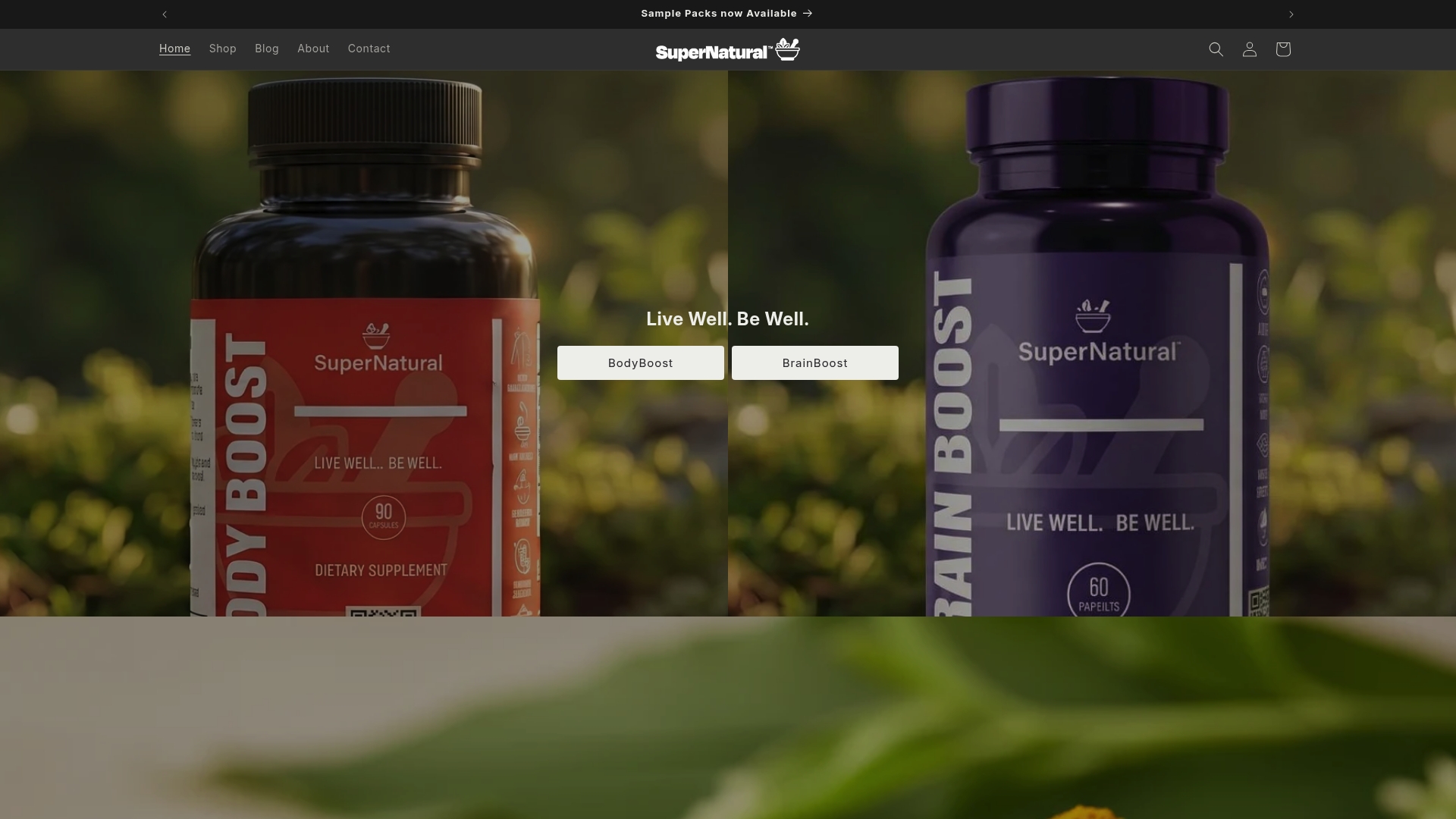
BrainBoost: Advanced Cognitive Support is designed specifically for mental clarity, focus, and sustained cognitive performance. SuperNatural Supplements selects ingredients based on published human trial data, not marketing trends. The formula aligns directly with the evidence-backed approach covered throughout this article. For those interested in the anti-inflammatory side of brain health, SuperNatural’s BioSoluble Curcumin uses a patented process to deliver significantly enhanced bioavailability compared to standard curcumin, supporting the kind of systemic health that underpins sharp cognitive function.
FAQ
What are the best brain supplements for focus?
Caffeine combined with L-theanine is the most evidence-backed supplement for acute focus in healthy adults. A 2026 evidence review confirms its efficacy, with effects typically felt within 30 to 60 minutes.
How long does it take for cognitive supplements to work?
It depends on the supplement. Caffeine-based stacks work within an hour, while Bacopa monnieri and Ashwagandha require 8–12 weeks of consistent use before measurable cognitive improvements appear.
Are natural cognitive enhancers safe?
Most natural cognitive enhancers are well tolerated at standard doses, but safety depends on the individual and any medications being taken. Always consult a physician before starting a new supplement protocol.
Do multi-ingredient nootropic formulas actually work?
Research published in the European Journal of Nutrition shows that multi-ingredient nootropic formulas can match caffeine’s attention benefits without causing raised blood pressure or mood shifts.
Is creatine a cognitive supplement?
Yes. Multiple randomized controlled trials show that creatine at 5 g per day improves cognitive performance in sleep-deprived and mentally stressed adults, making it one of the more practical and affordable cognitive boosters available.
This article is provided for educational and informational purposes only and does not constitute providing medical advice or professional services. Always consult with a qualified and licensed physician or other medical care provider. Statements have not been evaluated by the Food & Drug Administration. This product is not intended to diagnose, treat, cure, or prevent any disease.