

Natural detox is defined as the body’s continuous, built-in process of identifying and eliminating harmful substances through organs including the liver, kidneys, lungs, and digestive tract. No juice cleanse, tea flush, or commercial supplement triggers this process. Your body runs it around the clock, automatically. The Academy of Nutrition and Dietetics and PBS both confirm that commercial detox products are unnecessary when foundational habits like hydration, fiber intake, exercise, and sleep are in place. This article cuts through the marketing noise and explains how detoxification actually works, what supports it, and what puts it at risk.
What is natural detox and how does the body do it?
The formal industry term for this process is detoxification. It refers to the metabolic conversion and elimination of both endogenous toxins (waste products your body produces, like ammonia and bilirubin) and exogenous toxins (substances that enter from outside, like alcohol, pollutants, and certain medications). The body runs this continuously via a two-phase liver enzyme system, kidney filtration, respiratory clearance, and gut elimination. No fasting or cleansing protocol is required to start it.
The liver’s two-phase enzyme system
The liver is the primary detox organ. Phase I enzymes break down toxins into intermediate compounds. Phase II enzymes then bind those intermediates to water-soluble molecules so the kidneys or bile can carry them out of the body. Both phases depend on specific nutrients, including protein, B vitamins, and compounds found in cruciferous vegetables. Cruciferous vegetables like broccoli induce Phase I liver enzymes, which is one reason nutrition researchers consistently recommend them for metabolic health.
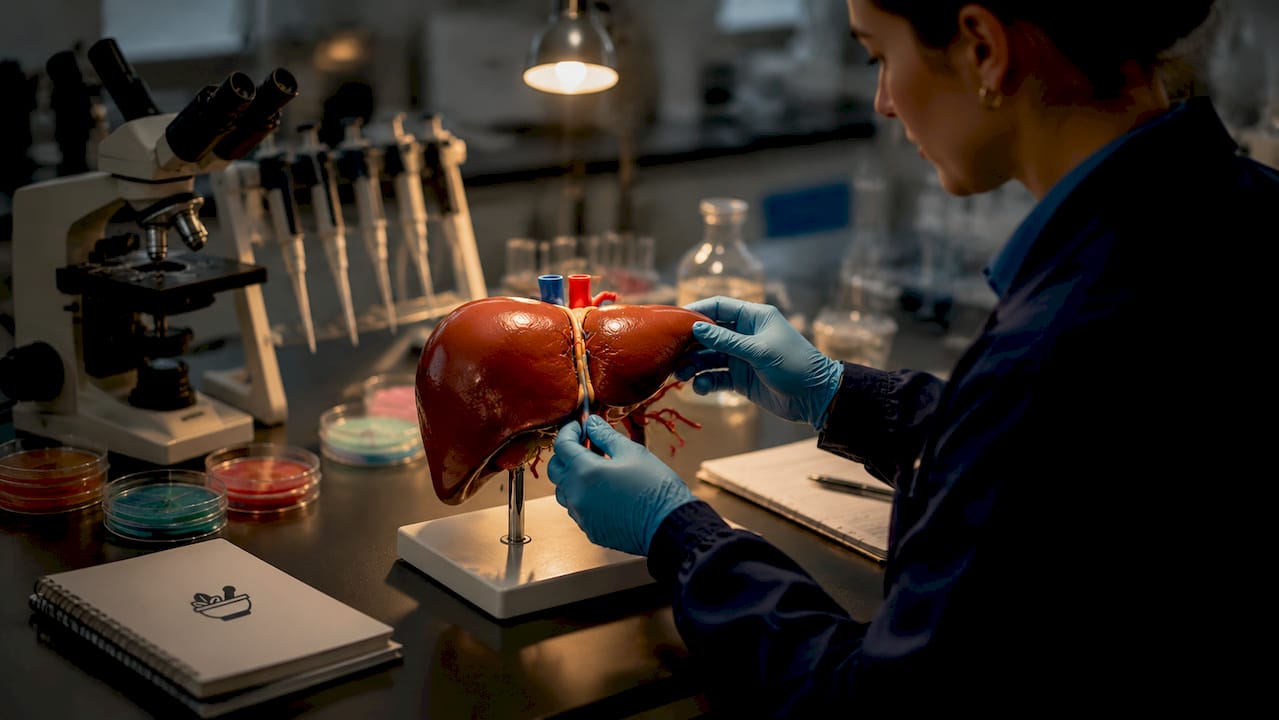
What the kidneys, lungs, and gut contribute
The kidneys filter roughly 200 liters of blood per day, excreting waste through urine. The lungs expel carbon dioxide and some volatile compounds with every breath. The digestive tract moves waste through the colon, and the gut microbiome plays a direct role in breaking down certain toxins before they reach systemic circulation. Each organ handles a specific category of waste. They work together, not in sequence.
A common misconception: sweating does not detoxify you. Sweat’s primary function is temperature regulation, not toxin removal. Trace minerals leave through sweat, but the liver and kidneys handle the actual chemical processing of harmful compounds. Saunas and intense exercise support detox by improving blood flow to those organs, not by pushing toxins through your skin.
| Organ | Primary detox role | Key output |
|---|---|---|
| Liver | Phase I and II enzyme processing | Bile, metabolized compounds |
| Kidneys | Blood filtration | Urine |
| Lungs | Gas exchange | Exhaled carbon dioxide |
| Colon | Waste transit and microbial breakdown | Stool |
What are evidence-based methods to support detoxification?
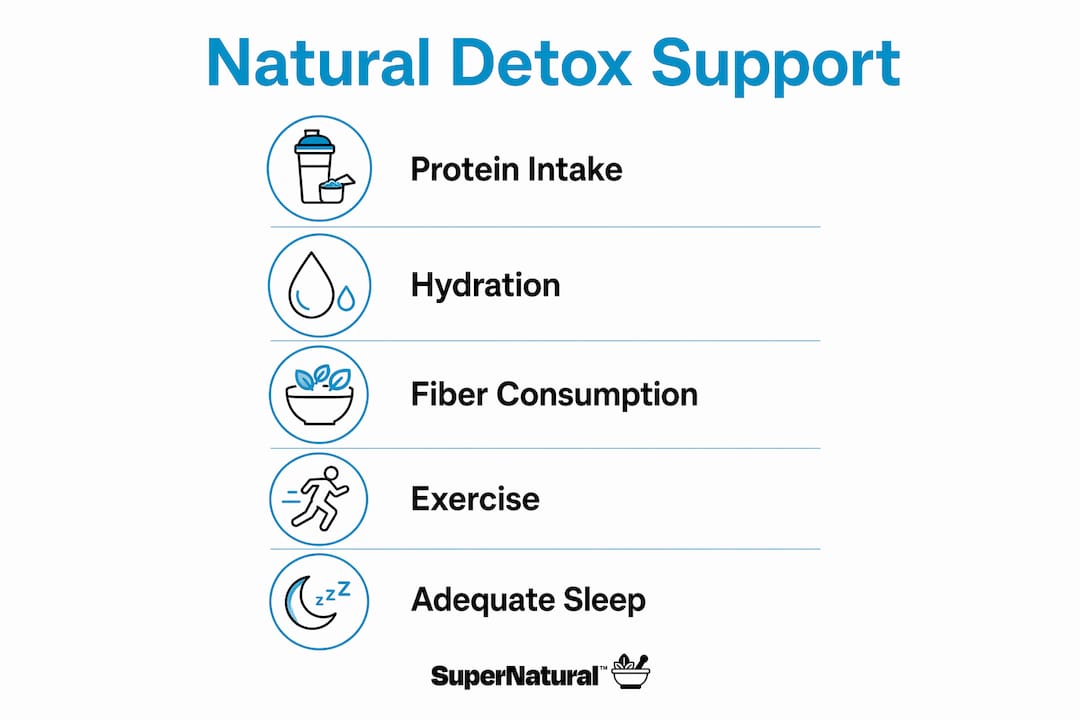
Supporting detoxification means giving your organs the raw materials they need to do their jobs well. It does not mean forcing a flush or starving yourself for three days. The most effective approach focuses on sustainable diet and lifestyle habits that enhance metabolic pathways over time.
Here are the practices with the strongest evidence behind them:
-
Hydrate consistently. Water is the transport medium for waste products leaving the body through urine and stool. A review of 18 randomized controlled trials found that increased water intake reduces kidney stone risk, which is a direct marker of improved kidney filtration. Aim for at least 8 cups per day, more if you exercise or live in a hot climate.
-
Eat 5–9 servings of fruits and vegetables daily. The Academy of Nutrition and Dietetics and PBS recommend this range specifically for natural detox support. Cruciferous vegetables (broccoli, cauliflower, Brussels sprouts) are especially valuable because they induce Phase I liver enzymes. Berries and citrus provide antioxidants that protect liver cells from oxidative stress during processing.
-
Prioritize dietary fiber. Fiber binds to waste products and bile acids in the gut, speeding their removal through stool. Without adequate fiber, some reabsorption of processed toxins can occur in the colon. Legumes, oats, flaxseed, and vegetables are reliable sources.
-
Exercise regularly. Physical activity improves blood flow to the liver and kidneys, which directly enhances their filtration capacity. Research shows exercise reduces liver fat in people with non-alcoholic fatty liver disease, one of the most common barriers to effective detoxification.
-
Sleep 7–9 hours per night. The brain’s glymphatic system, which clears metabolic waste from neural tissue, is most active during deep sleep. Chronic sleep deprivation impairs this clearance pathway and increases systemic inflammation.
-
Eat fermented foods. Yogurt, kefir, kimchi, and sauerkraut support gut microbiome diversity. A healthy microbiome modulates detox pathways long-term, providing benefits that no short-term cleanse can replicate.
Pro Tip: Include adequate protein in every meal. Detox enzymes in the liver are protein-dependent. Low-protein diets can impair Phase II detoxification even when everything else is in order.
Why do commercial detox diets and cleanses often fail?
Commercial detox products are a multi-billion-dollar category with almost no clinical evidence behind them. Johns Hopkins Medicine and MD Anderson Cancer Center both warn that detox cleanses lack proven efficacy for weight loss or liver repair. That is not a fringe opinion. It is the consensus of major academic medical centers.
The risks go beyond wasted money. Restrictive juice cleanses can cause malnutrition by eliminating protein and fat, both of which are required for liver enzyme function. Some supplements marketed for liver health have caused drug-induced liver injury when taken without medical supervision. The FDA does not regulate most detox supplements for safety or effectiveness before they reach store shelves.
Pro Tip: Before adding any supplement to your routine, check with your doctor. This is especially true if you take prescription medications, since some herbal compounds affect how the liver metabolizes drugs.
| Approach | What it claims | What evidence shows |
|---|---|---|
| Juice cleanses | Flush toxins, reset digestion | No clinical evidence; may cause protein deficiency |
| Detox teas | Stimulate liver and colon | Laxative effect only; no toxin removal proven |
| Fasting protocols | Rest organs and clear waste | Liver and kidneys function continuously; fasting does not enhance this |
| Natural diet and lifestyle | Support organ function | Consistent evidence from clinical reviews and nutrition research |
Ingredients like milk thistle and turmeric do show potential for reducing liver inflammation in some contexts. However, clinical evidence remains insufficient to recommend them as standard detox treatments. The distinction matters: a compound can have biological activity and still lack the human trial data needed to make a clinical claim.
Practical daily habits that enhance natural detox safely
Building a daily routine that supports detoxification does not require a program or a product. It requires consistency across a few well-researched habits. Sustainable lifestyle choices outperform any short-term cleanse for long-term detox support.
Start with these daily priorities:
- Water first. Drink a full glass of water before coffee in the morning. This supports kidney filtration from the moment you wake up.
- Build meals around plants. Fill at least half your plate with vegetables and fruit at every meal. Rotate cruciferous vegetables into your weekly rotation at least three times.
- Limit alcohol. Alcohol is processed entirely by the liver. Regular heavy consumption impairs both Phase I and Phase II enzyme activity, reducing the liver’s capacity to handle other toxins.
- Move your body daily. Even a 30-minute walk improves circulation to the liver and kidneys. You do not need intense exercise to see a benefit.
- Support your gut. Add one serving of fermented food per day. Gut microbiome health modulates detox pathways over the long term in ways that short-term regimens cannot.
- Protect your sleep. Treat 7–9 hours as non-negotiable. Neural waste clearance depends on it.
When considering natural detox supplements examples, look for products with transparent ingredient lists, third-party testing, and formulations grounded in published research. Avoid products that promise rapid results or use vague language like “flush” and “reset.” Those terms have no clinical definition. For a deeper look at how specific compounds are evaluated, the role of supplements in detox is worth reading before you make any purchase.
MD Anderson confirms that cleanses are not a safe or sustainable detoxification approach. The body’s own systems, when properly supported, are more effective than any commercial product on the market.
Key takeaways
Natural detox is the body’s continuous, organ-driven process of eliminating waste, and it is best supported through consistent daily habits including hydration, fiber, exercise, sleep, and a plant-rich diet.
| Point | Details |
|---|---|
| Detox is always running | The liver, kidneys, lungs, and gut eliminate toxins continuously without any commercial product. |
| Diet drives enzyme function | Cruciferous vegetables, protein, and fiber directly support Phase I and Phase II liver detox enzymes. |
| Cleanses carry real risks | Unregulated detox products can cause malnutrition and drug-induced liver injury, per Johns Hopkins Medicine. |
| Sweat does not detoxify | Exercise supports detox by improving organ blood flow, not by removing toxins through the skin. |
| Consistency beats intensity | Sustainable daily habits outperform any short-term cleanse for long-term detoxification support. |
What we have learned from years of watching detox culture evolve
The detox industry is built on a real anxiety: people feel sluggish, inflamed, and overloaded, and they want a solution. That feeling is valid. The products sold to address it often are not.
What we have observed at SuperNatural Supplements is that the people who feel the best long-term are not the ones who do a 10-day cleanse twice a year. They are the ones who drink water consistently, eat vegetables at most meals, sleep well, and move their bodies regularly. Those habits are not glamorous. They do not come in a box. But they are what the science actually supports.
The overlooked factor in most detox conversations is stress. Chronic psychological stress elevates cortisol, which impairs liver function and disrupts gut microbiome balance. No supplement addresses that. Sleep and stress management are the two most underrated tools in any detox-supportive lifestyle, and they cost nothing.
We are also cautious about the trend of framing every supplement as a “detox” product. Curcumin, for example, has genuine research behind its anti-inflammatory properties. But calling it a detox supplement without clinical data to support that specific claim is misleading. We believe in being precise about what a compound does and does not do. That honesty is what builds trust over time.
— SuperNatural
SuperNatural Supplements and evidence-based detox support
If you want to complement your natural detox habits with a well-formulated supplement, SuperNatural Supplements has built its products around that standard.
BioSoluble® Curcumin™ uses a patented process that delivers significantly higher bioavailability than standard curcumin, meaning your body actually absorbs and uses what you take. BodyControl is formulated to support a healthy inflammatory response and promote detoxification pathways. These products are designed to work alongside the daily habits described here, not replace them. Before adding any supplement to your routine, consult your physician. When you are ready to learn more about how curcumin supports the body, the science behind bioavailable curcumin forms is a clear starting point.
FAQ
What is natural detox in simple terms?
Natural detox is the body’s built-in process of filtering and removing waste through the liver, kidneys, lungs, and digestive tract. It runs continuously and does not require commercial products to function.
What are the main types of natural detox methods?
The main types of natural detox methods include dietary approaches (fiber, cruciferous vegetables, fermented foods), hydration, regular physical activity, and sleep optimization. Each method supports a specific organ or metabolic pathway involved in detoxification.
Are detox supplements safe to use?
Some supplements marketed for detox are unregulated and have caused drug-induced liver injury in documented cases. Johns Hopkins Medicine advises caution and recommends consulting a physician before using any liver-support supplement.
What is cellular detoxification?
Cellular detoxification refers to the process by which individual cells identify and remove damaged proteins, oxidative byproducts, and other waste through mechanisms like autophagy. It is supported by sleep, caloric balance, and antioxidant-rich foods.
What are the top rated detox supplements to consider in 2026?
The top rated detox supplements in 2026 are those with transparent ingredient sourcing, third-party testing, and formulations tied to published clinical research. SuperNatural Supplements’ BioSoluble® Curcumin™ meets that standard with a patented bioavailability process backed by documented science.
This article is provided for educational and informational purposes only and does not constitute providing medical advice or professional services. Always consult with a qualified and licensed physician or other medical care provider. Statements have not been evaluated by the Food & Drug Administration. This product is not intended to diagnose, treat, cure, or prevent any disease.