

Herbal supplements have never been more popular. With the herbal medicinal products market reaching $142.34 billion in 2026, it’s clear that millions of people are looking beyond standard vitamins to support their health. But with so many options on the shelf, understanding the actual benefits of herbal supplements can feel like sorting through a lot of noise. This guide cuts straight to what matters. We cover the ten most well-supported health benefits, compare herbal supplements to traditional vitamins, and help you make smarter choices so you get real results.
Table of Contents
- Key takeaways
- Benefits of herbal supplements: whole-body health support
- 1. Anti-inflammatory effects
- 2. Immune system support
- 3. Antioxidant protection
- 4. Cognitive support and stress management
- 5. Cardiovascular health
- 6. Digestive health and gut balance
- 7. Hormonal and menstrual health
- 8. Stress and anxiety relief
- 9. Joint health and pain relief
- 10. Skin health and wound healing
- How herbal supplements compare to vitamins and minerals
- How to choose and use herbal supplements safely
- My perspective on herbal supplements and wellness
- SuperNatural supplements built around these benefits
- FAQ
Key takeaways
| Point | Details |
|---|---|
| System-wide support | Herbal supplements work across multiple body systems, not just one targeted area. |
| Evidence-backed benefits | Research confirms anti-inflammatory, antioxidant, immune, and cognitive benefits from common herbs. |
| Standardized extracts matter | Choose standardized herbal products for consistent active compound concentrations and predictable results. |
| Safety requires attention | Some herbs interact with medications; always check with a healthcare provider before starting. |
| Gradual effects are normal | Most herbal supplements build benefits over weeks, not overnight, reflecting their systemic action. |
Benefits of herbal supplements: whole-body health support
One of the most important things to understand about herbal supplements is that they do not work the way most people expect a supplement to work. They are not precision tools designed to fix one deficiency. They are more like a support system that works across multiple body systems at the same time.
Think of it this way. A vitamin D supplement has one clear job: correct a vitamin D deficiency. Herbal supplements like ashwagandha or turmeric, by contrast, influence your stress hormones, your inflammatory response, your gut lining, and your immune cells all at once. That is what whole-body wellness looks like in practice.
This matters for people who want long-term health support rather than a quick, targeted fix. Herbal supplements can help maintain balance across:
- Digestion and gut health through prebiotic and antimicrobial activity
- Immune function through plant compounds that modulate immune signaling
- Mood and cognitive performance through adaptogens and neuroprotective phytochemicals
- Inflammation through polyphenols and other bioactive compounds
Pro Tip: If you are new to herbal supplements, start with one herb that addresses your most pressing wellness concern. Give it four to six weeks before adding another. Stacking too many at once makes it hard to know what is working.
1. Anti-inflammatory effects
Chronic, low-grade inflammation underlies most modern health problems, from joint pain to cardiovascular disease. Herbs like rosemary, thyme, and oregano are loaded with polyphenols and flavonoids that directly reduce inflammatory markers. Herbs like rosemary, thyme, and oregano show significant anti-inflammatory effects at daily intakes of up to 3 grams per herb or 6.6 grams for blended formulas.

Turmeric’s active compound, curcumin, is one of the most studied natural anti-inflammatories in existence. The challenge has always been absorption. Standard curcumin supplements pass through your system before your body can fully use them.
2. Immune system support
Your immune system is not a single organ. It is a network, and herbal supplements are particularly good at supporting networks. Echinacea, elderberry, and astragalus all have track records of supporting immune resilience. For deeper reading on how to support immune health naturally, the science here is genuinely useful.
The key mechanism is that many herbs contain beta-glucans and polysaccharides that prime immune cells without overstimulating them. That distinction matters. You want a well-regulated immune system, not an overactive one.
3. Antioxidant protection
Free radicals are unstable molecules that damage your cells, accelerate aging, and contribute to chronic disease. Herbs are among the most concentrated natural sources of antioxidants available. Research confirms that herbs neutralize free radicals linked to cardiovascular conditions and cancer.
Sage, clove, and rosemary consistently rank among the highest antioxidant-density foods by ORAC score, often surpassing blueberries and pomegranate by wide margins. Getting these herbs in standardized supplement form gives you therapeutic concentrations your diet alone rarely delivers.
4. Cognitive support and stress management
Adaptogens like ashwagandha, bacopa, and rhodiola are some of the most interesting herbs in the wellness space because they literally help your body regulate its own stress response. Ashwagandha, for example, has been shown in multiple trials to lower cortisol levels and improve memory recall in adults under chronic stress.
Bacopa monnieri works more gradually on memory consolidation and neural signaling, typically showing benefits after eight to twelve weeks of consistent use. These herbs support your brain’s own chemistry rather than overriding it. That is why the effects feel natural rather than stimulating.
5. Cardiovascular health
Blood pressure, arterial flexibility, and cholesterol balance are all areas where certain herbs have shown real, measurable impact. A 4-week study of 71 adults with cardiovascular risk factors showed that a diet enriched with 24 herbs and spices produced measurable blood pressure reduction.
Garlic and hawthorn have the strongest evidence base for cardiovascular support among commonly available herbal supplements. Both work in part by supporting nitric oxide production, which helps blood vessels relax and blood flow more easily.
6. Digestive health and gut balance
Your gut microbiome responds well to herbal compounds. Peppermint has well-documented benefits for irritable bowel symptoms. Ginger reliably reduces nausea and supports gastric motility. Licorice root soothes the stomach lining and is often used for acid reflux support.
The antimicrobial properties of herbs like oregano also help keep the balance of bacteria in your gut tilted toward beneficial strains. This matters because gut health connects directly to immune function, mood, and energy levels.
7. Hormonal and menstrual health
Certain herbs have a strong history in traditional medicine for supporting hormone balance, and modern research is catching up. Vitex (chaste tree berry) is one of the best-studied options for supporting regular menstrual cycles and reducing PMS symptoms. Maca root is used broadly for hormonal support across different life stages.
These herbs tend to work by influencing hormonal signaling pathways gently, which is why they take several weeks to show their effects. They are not replacing hormones. They are helping your body regulate its own production more effectively.
8. Stress and anxiety relief
The conversation around herbal supplements and mental wellness has expanded significantly. Herbs like lemon balm, passionflower, and valerian have calming effects that work through GABA receptors in the brain, the same receptor system targeted by anti-anxiety medications but with a much softer action.
“Herbal remedies support whole-body wellness over time, acting synergistically across multiple systems.” Herbal remedies vs supplements
Ashwagandha consistently shows benefits for both anxiety and sleep quality in clinical trials, making it one of the most versatile stress-support herbs currently available.
9. Joint health and pain relief
Boswellia (Indian frankincense) and turmeric are the two most evidence-backed herbal options for joint pain and mobility. Boswellia works by blocking specific enzymes (5-LOX) that drive joint inflammation, a different mechanism than anti-inflammatory medications. This makes it complementary to other approaches rather than redundant.
For people dealing with exercise-related soreness or age-related joint discomfort, these herbs offer a path to supporting comfort without relying on over-the-counter pain relief drugs that carry their own long-term risks.
10. Skin health and wound healing
Calendula, aloe vera, and tea tree oil have well-established track records for wound healing and skin repair. Beyond topical use, herbs like silymarin (from milk thistle) support liver function, which directly affects skin clarity because the liver processes hormones and toxins that often show up on your skin first.
The herbal supplements for health approach to skin works from the inside out, supporting the underlying biology rather than just treating surface symptoms.
How herbal supplements compare to vitamins and minerals
Understanding when to use herbal supplements versus traditional vitamins helps you build a smarter wellness routine.
| Feature | Herbal supplements | Vitamins and minerals |
|---|---|---|
| Mechanism | Multi-system, synergistic action | Targeted nutrient correction |
| Speed of effect | Gradual, builds over weeks | Often faster for acute deficiencies |
| Best suited for | Systemic wellness, prevention | Specific deficiency correction |
| Dosage consistency | Varies; standardized extracts are most reliable | Easier to measure precisely |
| Personalization | High, many herb options | Lower, based on blood test results |
| Risk of interactions | Moderate; some herbs affect medications | Lower in most cases |
The honest answer is that herbal supplements and vitamins serve different purposes. Herbal supplements are your long-game tools. Vitamins are for correcting what you are definitively short on. The best approach, as discussed in our role of supplements in wellness guide, is often both working together.
Pro Tip: Get your vitamin D, B12, magnesium, and iron levels tested before supplementing with nutrients. With herbs, you do not need a test to benefit. You simply choose based on your health goals.
How to choose and use herbal supplements safely
The supplement market is not perfectly regulated, which means product quality varies more than most people realize. Standardized herbal extracts provide more consistent health benefits compared to raw powders because they guarantee controlled active compound concentrations in every batch.
Here is what to watch for when selecting a product:
- Look for standardization labels. A turmeric supplement should specify what percentage is curcuminoids. An ashwagandha product should state withanolide content.
- Give it enough time. Most herbal supplements require several weeks of use before noticeable benefits occur. Do not quit after two weeks.
- Check for interactions. Certain herbs interact with medications like blood thinners or blood pressure drugs. If you take any prescription medication, check with your doctor before starting a new herbal supplement.
- Start with one herb at a time. This makes it easier to track what is working and identify any sensitivities.
- Choose reputable brands. Look for third-party testing, clear ingredient sourcing, and transparent manufacturing practices.
Also worth knowing: approximately 44% of adults currently consume some form of dietary supplement. Growing demand has also attracted lower-quality products into the market. Your due diligence pays off.
My perspective on herbal supplements and wellness
I have spent years working with herbal supplement formulations, and I will tell you the thing most people do not say out loud: the biggest mistake in this space is expecting herbs to behave like pharmaceuticals.
People take an herb for a week, feel nothing dramatic, and conclude it does not work. But that is not how herbs work. Their value is cumulative and systemic. It builds quietly, across weeks and months, often showing up as a general sense of resilience rather than a single obvious effect.
What I have found genuinely exciting is how well herbal supplements complement precise nutritional science. The anti-inflammatory power of well-formulated curcumin, for instance, becomes dramatically more useful when the absorption problem is actually solved. We put years of research into our patented BioSoluble process exactly because of that gap between what curcumin can do and what standard supplements actually deliver.
My honest take: if you want the health benefits of herbs without the inconsistency of raw powders or the absorption barriers of standard extracts, the path forward is standardized, clinically validated formulations. Not because traditional herbs are inadequate. Because your body deserves the full benefit, not a fraction of it.
— SuperNatural
SuperNatural supplements built around these benefits
If this article has you thinking about where to start, we built our product line specifically around the benefits with the strongest evidence base.
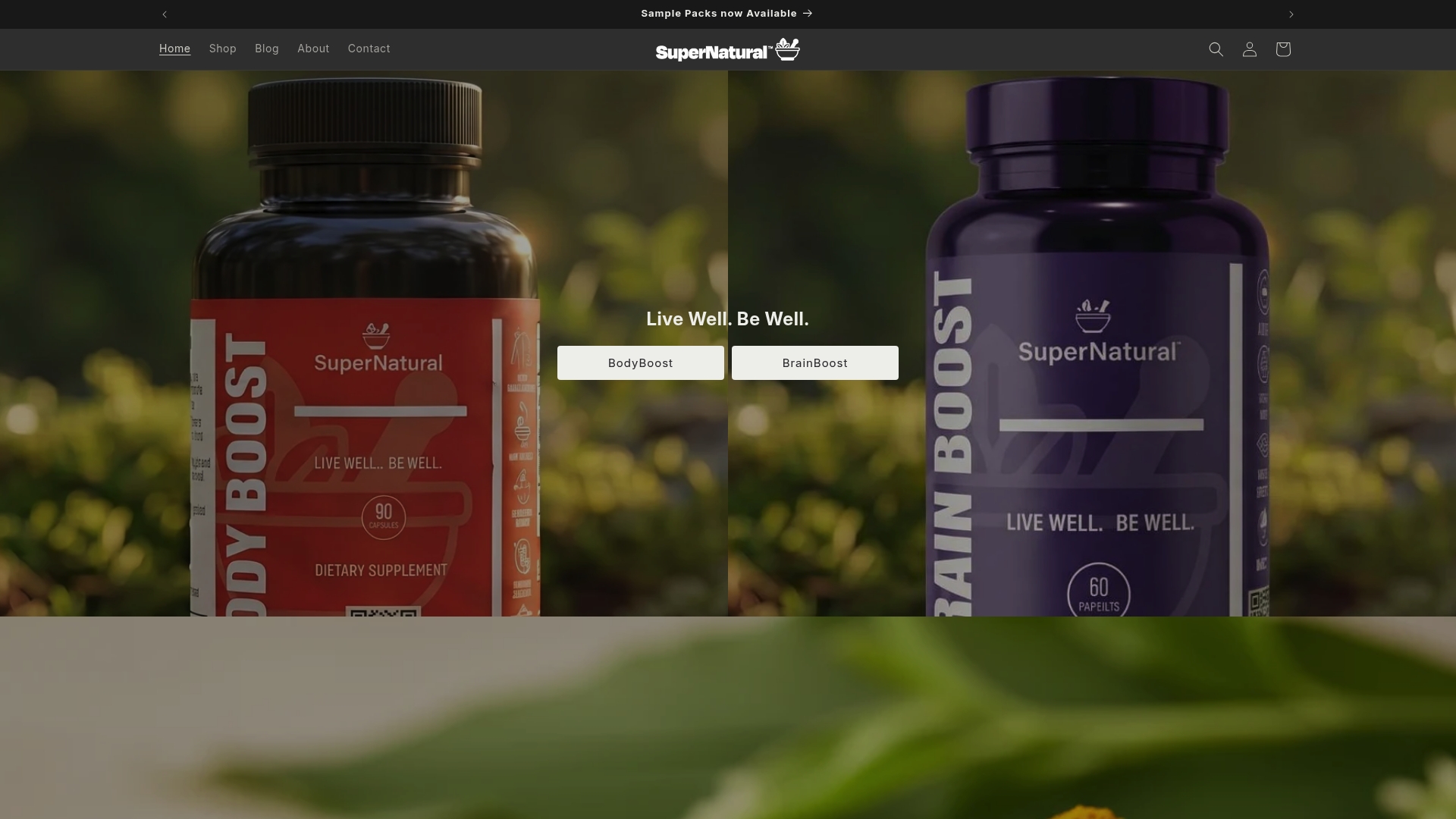
Our BioSoluble Curcumin uses a patented process that makes curcumin water-soluble, dramatically improving absorption compared to standard curcumin. That means you get the anti-inflammatory and antioxidant benefits that studies demonstrate, not just the theoretical potential. BodyBoost is formulated for immune resilience, and BrainBoost supports cognitive function and stress management with research-backed adaptogens. Every product in our line uses standardized extracts with verified active compound concentrations. For guidance on building a routine with these products, our daily supplement plan resource walks you through it step by step.
FAQ
What are the main benefits of herbal supplements?
Herbal supplements support multiple body systems simultaneously, offering anti-inflammatory, antioxidant, immune-boosting, cognitive, and digestive benefits backed by clinical research.
How long does it take for herbal supplements to work?
Most herbal supplements require several weeks of consistent use before benefits become noticeable, reflecting their gradual, systemic mode of action rather than immediate symptom relief.
Are herbal supplements safe to take with medications?
Some herbs interact with medications such as blood thinners or blood pressure drugs. Always consult a healthcare provider before adding herbal supplements to your routine if you take any prescription medications.
What makes standardized herbal extracts better than raw powders?
Standardized extracts contain controlled concentrations of active compounds, ensuring you get a consistent and effective dose with every serving. Raw herbal powders vary widely from batch to batch.
Can herbal supplements replace vitamins and minerals?
No. Herbal supplements and vitamins serve different purposes. Herbs provide systemic, multi-pathway support over time, while vitamins and minerals correct specific nutrient deficiencies that blood tests can identify.
This article is provided for educational and informational purposes only and does not constitute providing medical advice or professional services. Always consult with a qualified and licensed physician or other medical care provider. Statements have not been evaluated by the Food & Drug Administration. This product is not intended to diagnose, treat, cure, or prevent any disease.