

Curcumin, the bright yellow bioactive compound found in turmeric, has earned serious scientific attention for its ability to fight inflammation and support cognitive health. Yet there’s a frustrating gap between what curcumin can do and what most standard supplements actually deliver. Studies confirm that less than 2% is absorbed into the bloodstream with conventional formulas, meaning most people taking a basic turmeric capsule are getting only a fraction of the benefit. This guide cuts through the noise, explaining the mechanisms, the evidence, and the smart choices that actually make curcumin work for you.
Table of Contents
- How curcumin fights inflammation: The science
- Curcumin for brain health and cognitive support
- The challenge of curcumin bioavailability
- Who benefits most: Dosing, demographics, and safety insights
- Expert perspective: Why curcumin isn’t a magic bullet, yet
- Supercharge your results: Curcumin supplements from SuperNatural
- Frequently asked questions
Key Takeaways
| Point | Details |
|---|---|
| Anti-inflammatory power | Curcumin inhibits inflammation at the molecular level and is backed by clinical trials for arthritis and IBD. |
| Boosts brain health | Curcumin improves cognitive function and protects the brain through antioxidant and neuroprotective actions. |
| Bioavailability matters | Most curcumin supplements deliver less than 2%; seek advanced formulations for meaningful results. |
| Best results for older adults | Optimal dosing and long-term use show pronounced benefits in people over 60 and those with inflammation. |
| Safe but not miraculous | Curcumin is low-risk with mild side effects and works best as a complement to healthy habits. |
How curcumin fights inflammation: The science
Now that you know curcumin’s reputation rests on its bioactive compounds, let’s break down exactly how it works against inflammation.
Inflammation isn’t one thing. It’s a cascade of molecular signals, enzymes, and immune messengers working together, sometimes too aggressively. Curcumin’s power comes from its ability to intervene at multiple points in this cascade simultaneously, which is genuinely rare for a single natural compound.
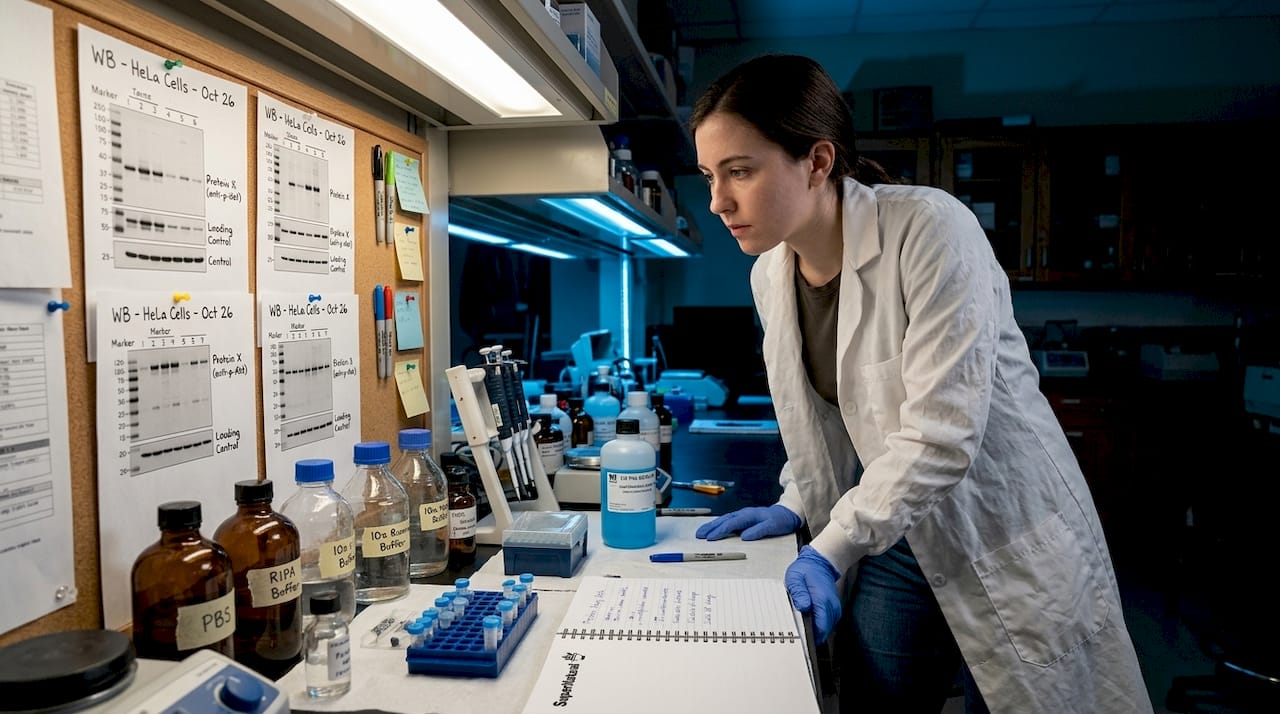
The most well-studied mechanism centers on a protein complex called NF-κB (Nuclear Factor kappa-light-chain-enhancer of activated B cells). Think of NF-κB as the “on switch” for your body’s inflammatory response. When it’s chronically activated, it floods your system with inflammatory signals. Research shows that curcumin inhibits NF-κB signaling, directly reducing pro-inflammatory cytokines including TNF-α, IL-1β, and IL-6, as well as enzymes like COX-2 and iNOS that drive pain and swelling. This is the same family of pathways targeted by many pharmaceutical anti-inflammatories, which puts curcumin in notable company.
But it doesn’t stop there. Curcumin also modulates MAPK, JAK/STAT, and NLRP3 pathways, each of which plays a distinct role in how your immune system escalates or resolves inflammation. The NLRP3 inflammasome, in particular, is linked to chronic inflammatory conditions including cardiovascular disease and neurodegeneration. Curcumin’s ability to suppress it gives it a broader protective reach than many people realize.
What the clinical evidence shows
The lab science is compelling, but what about real outcomes for real people? Clinical reviews are increasingly supportive. Umbrella-level analyses covering arthritis, IBD, and musculoskeletal conditions confirm positive effects on inflammatory markers in human trials, with an overall safety profile that makes curcumin suitable for most adults. Minor side effects such as nausea, headache, and yellow stool occur in roughly 5 to 14% of users, and are typically mild and transient.
Here’s a quick summary of what curcumin targets at the molecular level:
| Pathway or target | Role in inflammation | Curcumin’s action |
|---|---|---|
| NF-κB | Master regulator of inflammatory gene expression | Inhibits activation |
| TNF-α, IL-1β, IL-6 | Pro-inflammatory cytokines driving immune response | Reduces production |
| COX-2, iNOS | Enzymes producing pain and inflammatory mediators | Suppresses expression |
| NLRP3 inflammasome | Activates immune response in chronic disease | Inhibits assembly |
| MAPK (ERK, p38, JNK) | Signal transduction for cellular stress and inflammation | Modulates activity |
| JAK/STAT | Cytokine signaling cascade | Downregulates signaling |
“Curcumin’s ability to hit multiple inflammatory pathways at once is what makes it so promising. It’s not just blocking one signal; it’s quieting the entire inflammatory orchestra.” Our team often uses this framing when explaining why a single compound can have such broad clinical application.
Key benefits supported by clinical evidence include:
- Reduced joint pain and stiffness in osteoarthritis and rheumatoid arthritis
- Improved inflammatory markers in inflammatory bowel disease
- Lower circulating levels of TNF-α and IL-6 in metabolic conditions
- Support for musculoskeletal recovery after exercise-induced inflammation
Pro Tip: If you’re exploring natural supplements for inflammation, look for formulas that specifically address bioavailability, not just curcumin content. The total amount of curcuminoids on the label means nothing if your gut can’t absorb them.
Curcumin for brain health and cognitive support
Beyond inflammation, curcumin is increasingly recognized for its brain health effects. Here’s what the science reveals.
The brain and inflammation are deeply connected. Chronic low-grade neuroinflammation is now considered a major factor in cognitive decline, mood disorders, and neurodegenerative conditions. Curcumin’s anti-inflammatory activity provides one avenue of brain protection, but it also has several direct neuroprotective mechanisms that work independently of inflammation.
A recent meta-analysis of 9 randomized controlled trials involving 501 participants found that curcumin significantly improves global cognitive function with a standardized mean difference (SMD) of 0.82 (p=0.010), which is a meaningful effect size in cognitive research. The most consistent benefits appeared at 0.8 grams per day over at least 24 weeks, with older adults aged 60 and above and participants of Asian descent showing the most pronounced improvements.
Curcumin’s neuroprotective toolkit
So how does curcumin actually support the brain? The neuroprotective mechanisms identified in current research include:
- Antioxidant defense: Curcumin neutralizes free radicals and upregulates the body’s own antioxidant enzymes, reducing oxidative damage to neurons. This is critical because brain tissue is particularly vulnerable to oxidative stress.
- Amyloid-beta reduction: Curcumin has been shown to reduce the aggregation of amyloid-beta plaques, the protein clusters associated with Alzheimer’s disease pathology.
- BDNF enhancement: BDNF (Brain-Derived Neurotrophic Factor) is often called the brain’s “growth hormone.” It supports the survival of existing neurons and encourages the growth of new ones. Curcumin stimulates BDNF production, which may explain some of its memory and learning benefits.
- Autophagy promotion: Autophagy is your cells’ internal cleanup system, clearing out damaged proteins and cellular debris. Curcumin supports this process, helping neurons stay healthy and functional.
- Alpha-7 nicotinic acetylcholine receptor (α7-nAChR) modulation: These receptors are involved in attention, memory, and learning. Curcumin’s interaction with them may contribute to its cognitive-enhancing effects.
Here’s a side-by-side comparison of how curcumin’s cognitive benefits compare across different study populations:
| Population | Dose and duration | Cognitive outcome |
|---|---|---|
| Older adults (≥60 years) | 0.8 g/day, ≥24 weeks | Most significant improvements in global cognition |
| Asian participants | 0.8 g/day, ≥24 weeks | Pronounced improvements, possibly linked to diet/genetics |
| Mixed-age adults | Variable doses, shorter durations | Modest, inconsistent results |
| Alzheimer’s patients | Various formulations | Mixed results; high-bioavailability forms show more promise |
We recommend anyone interested in curcumin for brain health take note of these population differences. They’re not just statistical footnotes; they’re practical guidance on who is most likely to see results and under what conditions.
Research doesn’t just tell us that curcumin works for cognition. It tells us when and for whom it works best. That nuance is what separates informed supplementation from guesswork.
Pairing curcumin with other supporting brain health habits, like quality sleep, physical activity, and stress management, amplifies the cognitive benefit. Curcumin is a powerful addition to a brain health strategy, not a replacement for one.
The challenge of curcumin bioavailability
Effective anti-inflammatory and cognitive support is only possible if curcumin can reach your cells. Here’s why bioavailability matters most.
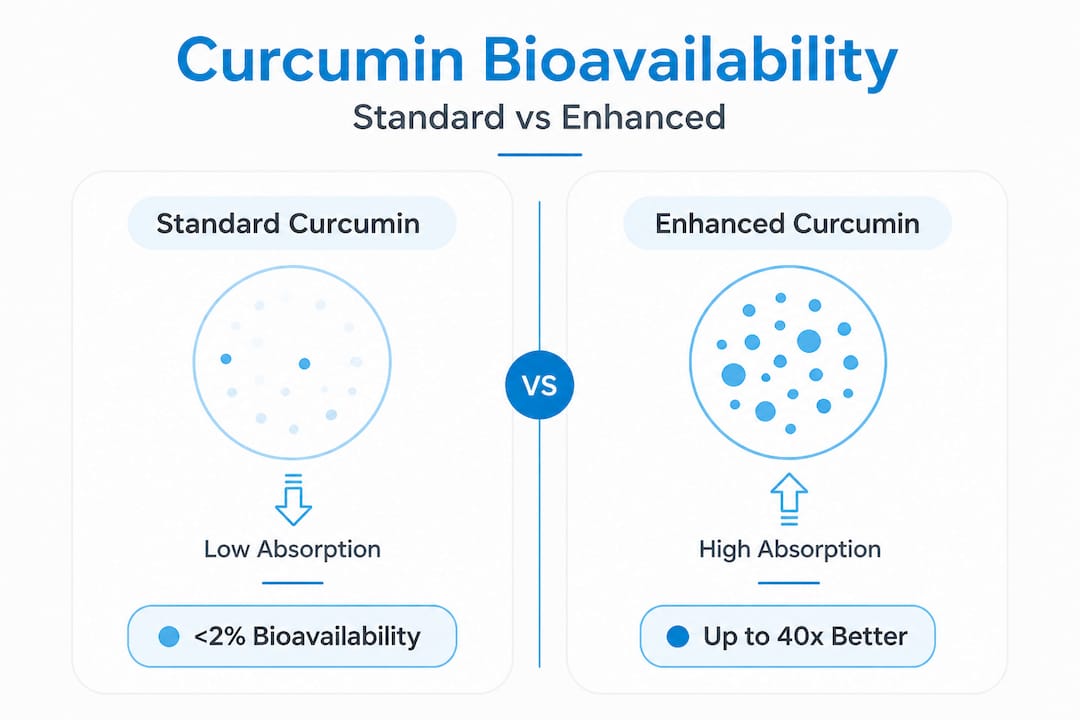
Here’s the core problem: curcumin is not naturally water-soluble, and the human gut is largely a water-based environment. This mismatch means curcumin struggles to cross the intestinal wall into the bloodstream. On top of that, whatever does get absorbed is rapidly broken down by the liver through a process called glucuronidation and then eliminated from the body. The result is that under 2% of standard curcumin in a typical capsule ever reaches systemic circulation.
Think of it like wanting a strong cup of coffee instead of just sniffing the beans. The compound has to actually get inside you to do anything useful.
Fortunately, science has developed several effective strategies to solve this problem:
- Nanoformulations: Breaking curcumin into nano-sized particles dramatically increases the surface area available for absorption. Nano-curcumin shows absorption rates many times higher than standard curcumin.
- Piperine co-administration: Piperine, the active compound in black pepper, inhibits the glucuronidation process and can increase curcumin bioavailability by up to 2,000% according to early research.
- Liposomal delivery: Encapsulating curcumin in lipid (fat) spheres called liposomes mimics the way your body naturally absorbs fat-soluble nutrients, improving delivery to cells.
- Phytosome technology: Binding curcumin to phospholipids (similar to those in your cell membranes) enhances absorption and cellular uptake.
- BioSoluble technology: Patented processes like BioSoluble® Curcumin™ are designed to make curcumin water-compatible, solving the fundamental solubility barrier at the source.
Pro Tip: When evaluating a curcumin supplement, don’t just check the milligram count. Ask whether the formula uses an enhanced absorption strategy. A 500 mg dose of a high-bioavailability formula will outperform 1,500 mg of standard curcumin powder every time.
The label matters, but the delivery system matters more. This is the single most important factor separating supplements that produce real results from those that produce expensive urine.
Who benefits most: Dosing, demographics, and safety insights
To make curcumin’s benefits personal, it’s important to know who gets the most from supplementation and what to expect.
Not everyone experiences curcumin the same way. The research is clear that certain groups, certain doses, and certain durations produce the best outcomes. Understanding these variables puts you in a far better position to design a supplementation approach that actually works for you.
What optimal dosing looks like
A meta-analysis drawing on 9 RCTs with 501 subjects points to 0.8 grams per day as the sweet spot for cognitive benefits, with a minimum duration of 24 weeks. Shorter supplementation periods and different dosing levels showed less consistent results, which is why patience matters when you’re using curcumin for brain health. This isn’t a supplement where you’ll feel a dramatic shift in week two. The benefits build steadily over months.
For inflammation management, the picture is somewhat more flexible. Many clinical trials use doses ranging from 500 mg to 1,500 mg per day of curcuminoids, often with enhanced bioavailability formulas. The key is ensuring the curcumin is actually being absorbed, not just consumed.
Who tends to see the most benefit? Based on current evidence:
- Adults aged 60 and over: Cognitive improvements are most pronounced in older populations, likely because baseline neuroinflammation and oxidative stress levels are higher.
- People with active inflammatory conditions: Those managing arthritis, IBD, or other chronic inflammation-related conditions show measurable improvements in clinical markers.
- Individuals using high-bioavailability formulas: Regardless of age or condition, absorption quality is the single biggest predictor of outcome.
- Consistent long-term users: Short-term use produces limited results. Committing to at least 6 months gives curcumin time to do its work.
Safety profile at a glance
Curcumin has an excellent safety record, with side effects being mild and relatively uncommon. The most reported issues include:
- Mild nausea (typically at higher doses or on an empty stomach)
- Occasional headache
- Yellow-tinted stool (harmless, due to curcumin’s natural pigment)
- Rarely, loose stools at very high doses
These effects occur in approximately 5 to 14% of users and generally resolve on their own. As always, check with your doctor before starting curcumin if you’re on blood thinners or immunosuppressive medications, as interactions are possible. Pairing curcumin with brain health habits you’re already building strengthens the overall impact.
Key statistic: An SMD of 0.82 for global cognitive function represents a clinically meaningful improvement, not just a statistically significant one. That distinction matters when evaluating real-world benefits.
Expert perspective: Why curcumin isn’t a magic bullet, yet
Let’s be honest about something the supplement industry rarely admits: the curcumin research, while genuinely impressive, is not uniformly conclusive.
The meta-analyses showing cognitive improvement are encouraging, but they reveal important nuances. Human trials show inconsistencies, particularly in Alzheimer’s disease patients and in shorter-duration studies. This doesn’t mean curcumin doesn’t work. It means curcumin doesn’t work the same way for everyone, under every condition, with every formulation.
The demographic differences observed between Asian and Western populations, and between older and younger adults, suggest that diet, gut microbiome composition, and genetics all influence curcumin’s effectiveness. That’s a humbling reminder that no single compound is a universal solution.
We also have to acknowledge the methodological criticism. Umbrella reviews of the evidence consistently note that while the effects are promising, many underlying studies suffer from small sample sizes, inconsistent dosing protocols, and varying bioavailability formulas. The field genuinely needs larger, better-designed randomized controlled trials before we can speak in absolutes.
What we can say with confidence is this: high-bioavailability curcumin formulas, used consistently over months, represent the best chance of meaningful benefit, particularly for adults over 60 managing inflammation or cognitive concerns. Using absorption-optimized curcumin as part of a broader wellness strategy, rather than expecting it to compensate for poor sleep, chronic stress, or an inflammatory diet, is the realistic and responsible approach.
The science is strong enough to act on. Just act on it with clear eyes.
Supercharge your results: Curcumin supplements from SuperNatural
If you’ve read this far, you already know that curcumin’s benefits are real, but only when your body can actually absorb it. That’s the exact problem we built our products to solve.
At SuperNatural, our patented BioSoluble® Curcumin™ process transforms standard curcumin into a water-compatible form that your body can actually use, overcoming the fundamental solubility barrier that makes most curcumin supplements underperform. For those focused on brain health and cognitive support, our BrainBoost formula delivers advanced cognitive support using this same enhanced technology. Whether you’re looking to manage inflammation, support your immune system, or sharpen your focus, explore the full range of SuperNatural supplements to find the right fit for your goals.
Frequently asked questions
What is the optimal curcumin dose for cognitive benefits?
Research from a meta-analysis of 9 RCTs points to 0.8 grams daily for at least 24 weeks as the most effective protocol, with older adults seeing the most consistent results.
Are there any risks or side effects to curcumin supplementation?
Curcumin is generally well-tolerated, with mild side effects like nausea, headache, and yellow stool reported in approximately 5 to 14% of users. These effects are typically transient and resolve without intervention.
Why do some curcumin supplements work better than others?
Standard curcumin has poor bioavailability under 2%, so formulas using nanoparticle delivery, piperine, liposomes, or patented solubility technologies deliver dramatically more curcumin to where your body needs it.
Is curcumin safe for long-term use?
Yes. Current clinical evidence supports curcumin’s safety over extended use at recommended doses, making it a viable option for long-term inflammation and cognitive health management. Always consult your doctor if you’re taking medications that may interact.
Recommended
- Natural supplements for brain health and inflammation – SuperNatural
- Curcumin absorption explained: maximize benefits for health – SuperNatural
- How to support brain health: step-by-step habits that work – SuperNatural
- BioSoluble® Curcumin™ – SuperNatural
- Curcuma – Ayurvedische Heilkunst seit Jahrtausenden.
- BOSWELLIA + CURCUMINOIDES — Earthvit
This web site is provided for educational and informational purposes only and does not constitute providing medical advice or professional services. Always consult with a qualified and licensed physician or other medical care provider. Statements have not been evaluated by the Food & Drug Administration. This product is not intended to diagnose, treat, cure, or prevent any disease.