

Natural remedies are plant-based treatments, supplements, and lifestyle practices used to address health conditions including ADHD symptoms, focus difficulties, and chronic inflammation. The term “natural remedies” is broad, covering everything from culinary herbs like rosemary and sage to concentrated supplements like curcumin and phosphatidylserine. This is a genuinely complex topic: natural remedies range from well-studied interventions with clinical trial data to products with little more than tradition behind them. Understanding which remedies have real evidence, what doses matter, and where the safety risks lie is what separates informed choices from expensive guesswork. This guide covers all of it, drawing on the latest 2026 research.
What does the science say about natural remedies for ADHD and focus?
Mindfulness-based interventions (MBIs) produce clinically meaningful benefits for children and adolescents with ADHD, with effect sizes around 0.49 in Bayesian meta-analysis. That number means MBIs are not a marginal benefit. They produce real, measurable reductions in hyperactivity and impulsivity, particularly in adolescents. The catch is that longer, more intensive programs yield better outcomes. A single weekend workshop will not move the needle the way a structured 8-week program does.
Phosphatidylserine, a phospholipid found naturally in brain cell membranes, has also drawn serious research attention. A randomized controlled trial found that phosphatidylserine supplementation in children with ADHD reduced internalizing and externalizing behavioral problems, including aggression, with good tolerability and no serious adverse events. The key distinction here is that these improvements showed up in behavioral measures, not necessarily in core ADHD diagnostic symptoms like sustained attention. That is still a meaningful outcome for families dealing with daily behavioral challenges.
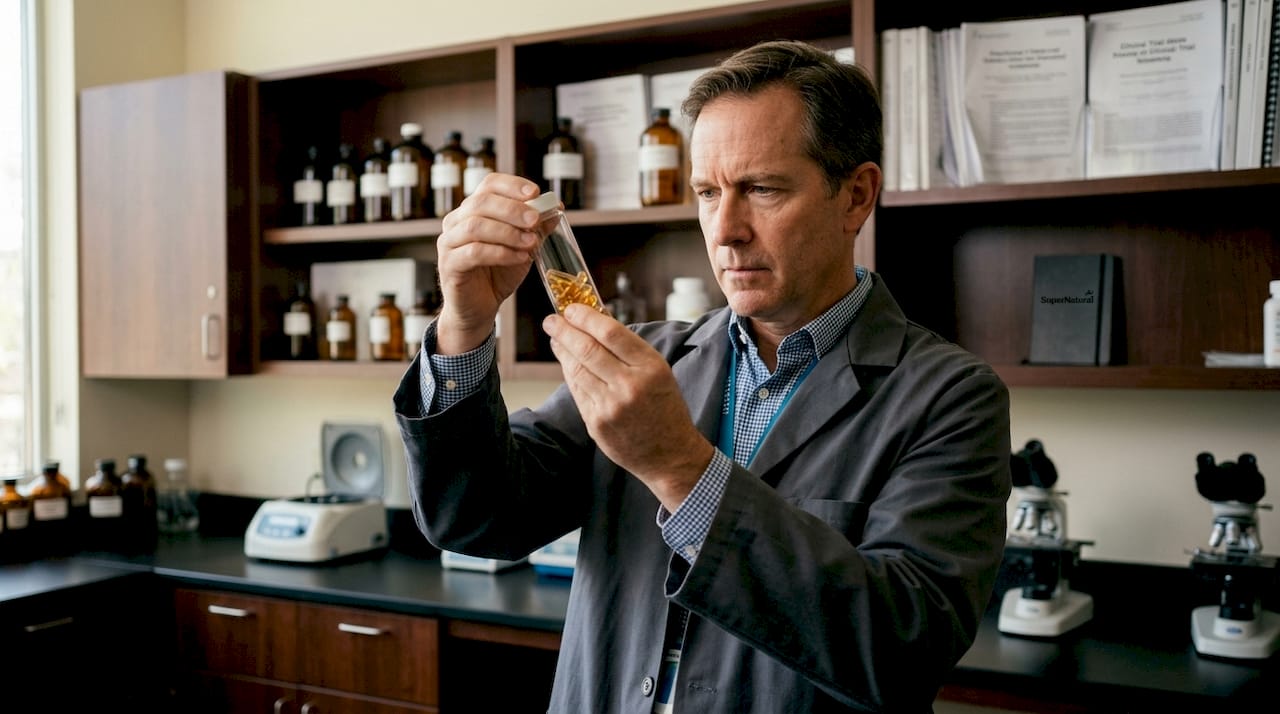
Research on natural products for ADHD suggests these approaches may work through multiple biological mechanisms, including modulation of dopamine and norepinephrine pathways. Cautious interpretation is warranted because many trials are small and carry a risk of bias.
Key limitations to keep in mind:
- Effect sizes for MBIs are strongest when programs are longer and more intensive.
- Phosphatidylserine benefits behavioral symptoms more than core attention deficits.
- Dose-response relationships for most natural ADHD interventions are not yet well defined.
- Subjective symptom assessments in trials may overestimate real-world effects.
- Most trials focus on children; adult ADHD data for natural remedies is thinner.
Pro Tip: If you are exploring mindfulness for ADHD, look for structured programs of at least 6–8 weeks. Shorter programs show weaker effects in the clinical literature.
For parents researching non-pharmacological options, the ADHD nutrition guide from SuperNatural Supplements covers evidence-based dietary and supplement approaches alongside mindfulness strategies.
How do natural anti-inflammatory remedies work, and what doses matter?
Curcumin, the active compound in turmeric, is the most studied natural anti-inflammatory agent. A systematic review of 20 randomized controlled trials found that curcumin-piperine supplementation significantly decreases inflammatory biomarkers including CRP and IL-6, improves oxidative stress markers, and supports cardiometabolic health. The effective dose range is 500–1,500 mg per day of curcumin combined with 5–15 mg per day of piperine (the active compound in black pepper). Piperine matters because curcumin alone has poor absorption. Think of it like wanting a strong cup of coffee instead of just sniffing the beans. Without piperine, most curcumin passes through your system before it can do anything useful.
Culinary herbs are a second, often underestimated category. A 2026 literature review found that everyday herbs show anti-inflammatory effects at specific daily doses. The data supports these herbs at targeted amounts:
| Herb | Anti-inflammatory dose | Key compounds |
|---|---|---|
| Coriander | 3 g/day (individual) | Linalool, flavonoids |
| Sage | 3 g/day (individual) | Rosmarinic acid, carnosol |
| Rosemary | 3 g/day (individual) | Carnosic acid, ursolic acid |
| Oregano | 3 g/day (individual) | Carvacrol, thymol |
| Combined herbs | 6.6 g/day (combined) | Multiple polyphenols |
These are not amounts you get from seasoning a chicken. Reaching therapeutic doses requires intentional daily use or concentrated extracts. The anti-inflammatory foods guide from Align Clinic provides practical meal-based strategies for incorporating these herbs consistently.
Bioavailability is the central challenge with curcumin specifically. Enhanced absorption formulations using piperine or lipid-based delivery systems are necessary for clinical efficacy. Standard curcumin powder without any absorption aid produces blood levels too low to match what the trials demonstrate. Clinical monitoring of inflammatory biomarker response typically runs 1–12 weeks, which is the timeframe you should plan for when evaluating whether a curcumin supplement is working.
Pro Tip: When reading curcumin supplement labels, check for piperine or a patented absorption technology. A product without either is unlikely to deliver the biomarker improvements seen in clinical trials.
For a deeper look at the clinical data on curcumin’s effects on inflammation and brain health, the curcumin health benefits article from SuperNatural Supplements covers both mechanisms and trial outcomes.
What safety and regulatory risks should you know about natural remedies?
The supplement market operates under far less oversight than pharmaceuticals. Under the Dietary Supplement Health and Education Act (DSHEA), supplement labeling requires specific disclaimers and the FDA continues to update enforcement around structure/function claims. Manufacturers do not need to prove safety or efficacy before selling a product. That regulatory gap creates real risks for consumers.
Contamination is not a theoretical concern. Moringa-containing supplements were recalled in 2026 due to Salmonella contamination, with consumers advised to dispose of affected products immediately. Adulteration is equally serious. The FDA issued warnings about toxic adulterants including yellow oleander found in mislabeled supplements. Yellow oleander can cause neurological and cardiovascular symptoms. These are not edge cases. They are documented public health events from 2026.
Practical safety steps every reader should follow:
- Choose supplements with third-party certification (NSF International, USP, or Informed Sport).
- Check the FDA’s current warning list before starting any new supplement long-term.
- Review herbal supplement safety guidance from verified sources before purchasing.
- Tell your doctor about every supplement you take, especially if you use blood thinners, antidepressants, or immunosuppressants.
- Recognize that herbal products are not interchangeable. Safety and efficacy vary by specific herb, preparation, and dose.
Scientific evidence for many herbal remedies remains limited, and regulatory standards for purity and dosage are often lacking across the broader market. That is not a reason to avoid natural remedies. It is a reason to choose carefully.
How to integrate natural remedies safely into your wellness routine
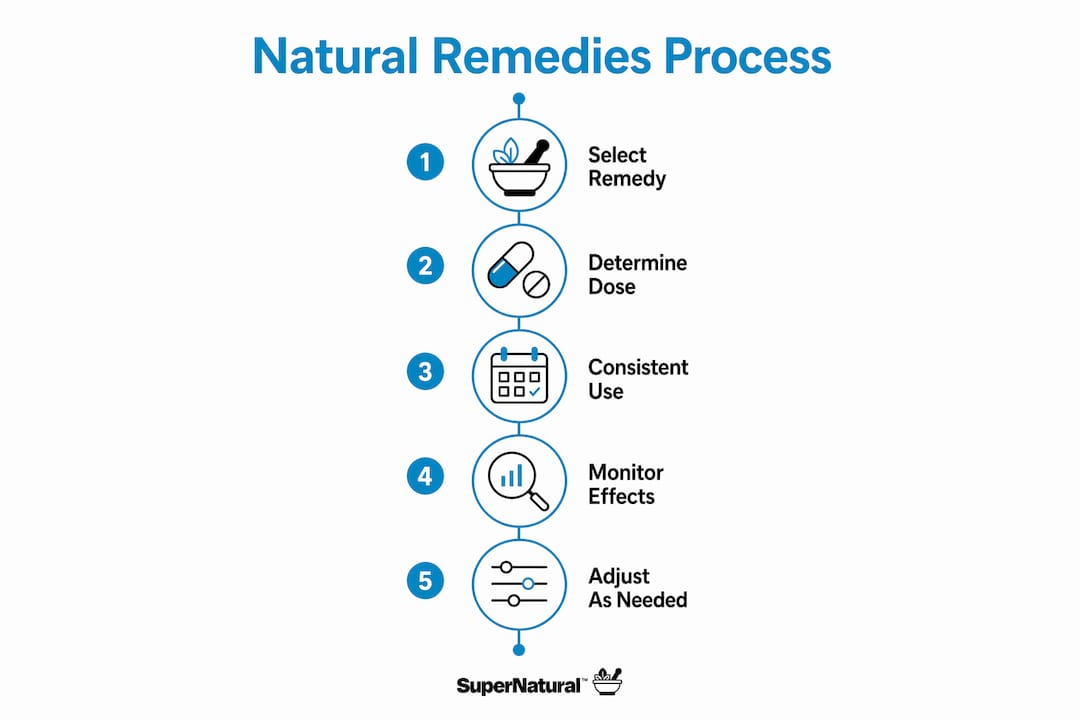
The most common mistake people make with natural remedies is stacking too many at once. Selecting a single target symptom and matching it with one well-studied intervention and a defined trial period is the pragmatic approach. If you are targeting inflammation, start with curcumin-piperine at a clinically supported dose and give it 6–12 weeks before evaluating results. If you are targeting ADHD-related behavioral symptoms, phosphatidylserine is the supplement with the strongest current trial data for that specific outcome.
- Define one goal. Pick one symptom or health target: inflammation, focus, or behavioral regulation. Trying to address all three simultaneously makes it impossible to know what is working.
- Match the remedy to the evidence. Use curcumin-piperine for inflammation. Use phosphatidylserine or structured MBIs for ADHD behavioral symptoms. Do not substitute one for the other based on marketing claims.
- Check the formulation. Bioavailability determines whether a supplement delivers its promised dose to your bloodstream. For curcumin, this means piperine or a lipid-based delivery system. For phosphatidylserine, look for soy-free or sunflower-derived versions if allergens are a concern.
- Set a trial window. Commit to 6–12 weeks at the recommended dose before deciding whether a remedy is working. Stopping after two weeks gives you no useful information.
- Monitor and document. Track your target symptom weekly using a simple rating scale. Objective tracking reveals trends that subjective memory misses.
- Consult your healthcare provider. Natural does not mean risk-free. A physician can check for interactions with existing medications and help interpret your results.
Pro Tip: Keep a simple weekly log of your target symptom on a scale of 1–10. After 8 weeks, the trend line tells you far more than your gut feeling about whether a remedy is helping.
Mindfulness practices work best when layered alongside supplements, not used as a substitute. For ADHD specifically, combining phosphatidylserine supplementation with a structured mindfulness program addresses both the biological and behavioral dimensions of the condition.
Key Takeaways
Natural remedies for ADHD, inflammation, and focus require matched evidence, correct dosing, and verified product quality to deliver real results.
| Point | Details |
|---|---|
| MBIs reduce ADHD symptoms | Structured mindfulness programs of 6–8 weeks produce effect sizes around 0.49 for hyperactivity and impulsivity. |
| Curcumin needs piperine | Doses of 500–1,500 mg curcumin with 5–15 mg piperine are required to reduce CRP and IL-6 in clinical trials. |
| Culinary herbs require therapeutic doses | Anti-inflammatory effects from herbs like rosemary and sage appear at 3 g/day individually, not at typical cooking amounts. |
| Supplement safety is not guaranteed | Contamination and adulteration are documented risks; third-party certification is the primary protection. |
| One target at a time | Focusing on a single symptom with one evidence-matched remedy over 6–12 weeks produces interpretable results. |
SuperNatural’s perspective on natural remedies and realistic expectations
The enthusiasm around natural remedies is understandable. The research on curcumin, phosphatidylserine, and mindfulness is genuinely encouraging. But we have seen too many people cycle through a dozen supplements in six months and conclude that “nothing works,” when the real problem was poor product quality, inadequate dosing, or no clear target to begin with.
The uncomfortable truth is that most natural remedies work slowly and specifically. Curcumin does not replace a pharmaceutical anti-inflammatory overnight. Phosphatidylserine does not eliminate ADHD. What these interventions do, when used correctly, is shift biomarkers and behavioral patterns in a meaningful direction over weeks. That is worth pursuing. It is just not the dramatic transformation that marketing often promises.
We also think the safety conversation is underemphasized in most natural health content. The 2026 Salmonella recalls and yellow oleander adulteration warnings are not anomalies. They reflect a market where quality control is inconsistent and consumer vigilance is the primary safeguard. Third-party testing is not optional if you are taking a supplement daily for months.
The future of natural remedies is not about replacing conventional medicine. It is about building a complementary layer of support that is evidence-informed, safely sourced, and matched to your specific health goals. That requires staying current with the research, choosing products with verified quality, and working with a healthcare provider who takes your interest in natural approaches seriously.
— SuperNatural
SuperNatural Supplements for inflammation and cognitive support
SuperNatural Supplements addresses the bioavailability problem that limits most curcumin products through its patented BioSoluble Curcumin process, which delivers significantly enhanced absorption compared to standard curcumin powder.
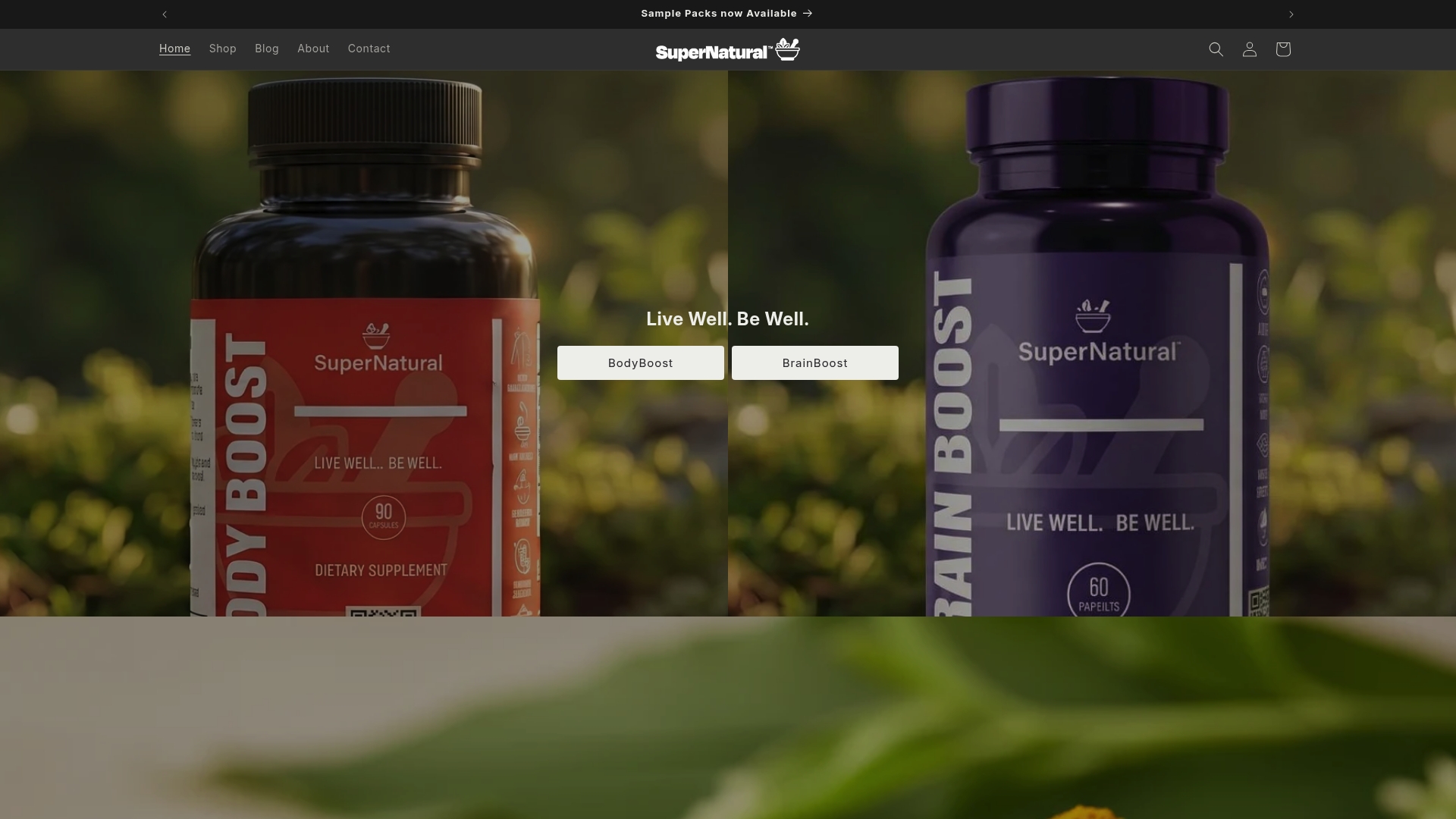
BodyControl, formulated with BioSoluble Curcumin, supports detoxification and a healthy inflammatory response at doses designed to match clinical trial parameters. For cognitive focus and mood support, BrainBoost advanced cognitive support provides targeted brain health ingredients in a verified formulation. If inflammation is your primary concern, the BioSoluble Curcumin product page details the science behind the absorption technology and what sets it apart from generic turmeric capsules. Check with your doctor before starting any new supplement.
FAQ
What natural remedy has the strongest evidence for ADHD?
Mindfulness-based interventions show an effect size of approximately 0.49 for reducing hyperactivity and impulsivity in children and adolescents with ADHD, based on Bayesian meta-analysis. Phosphatidylserine supplementation also shows documented reductions in behavioral problems in randomized controlled trials.
What dose of curcumin is needed to reduce inflammation?
Clinical trials support 500–1,500 mg per day of curcumin combined with 5–15 mg per day of piperine to significantly reduce inflammatory biomarkers like CRP and IL-6. Standard curcumin without piperine or a lipid-based delivery system does not achieve adequate blood levels.
Are natural supplements regulated by the FDA?
Dietary supplements in the U.S. are regulated under DSHEA, which does not require manufacturers to prove safety or efficacy before selling a product. The FDA enforces labeling rules and issues warnings about contaminated or adulterated products, but pre-market approval is not required.
How long does it take for natural anti-inflammatory remedies to work?
Curcumin-piperine studies track inflammatory biomarker changes over 1–12 weeks. Most people should plan for a minimum 6-week trial at a consistent dose before evaluating results.
Can culinary herbs really reduce inflammation?
A 2026 literature review found that herbs including coriander, sage, rosemary, and oregano show anti-inflammatory effects at 3 g per day individually or 6.6 g per day in combination. These doses exceed typical cooking amounts and usually require concentrated extracts or intentional daily supplementation.
This article is provided for educational and informational purposes only and does not constitute providing medical advice or professional services. Always consult with a qualified and licensed physician or other medical care provider. Statements have not been evaluated by the Food & Drug Administration. This product is not intended to diagnose, treat, cure, or prevent any disease.